Certification or Declaration Under TR CU 018
Three conformity assessment forms, two of which apply to parts. Where responsibility sits in each, and what decides which one your product takes.

What each scheme actually requires, which authority issues it, and how long it takes. Written for the person who has to get the product across the border.
No articles match that.
Three conformity assessment forms, two of which apply to parts. Where responsibility sits in each, and what decides which one your product takes.
Scope across categories M, N and O, chassis and safety components; the requirements it sets; and who in the supply chain it binds.
Categories M, N and O, chassis, and safety-related components. Plus what modification triggers, and the three vehicle types excluded outright.
Which Saudi licence your activity needs, which authority issues it, what foreign investors must submit, and how long each route actually takes.
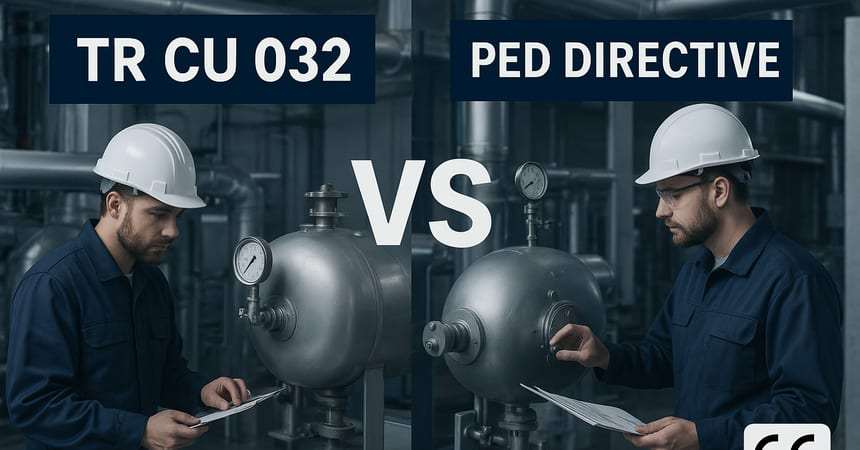
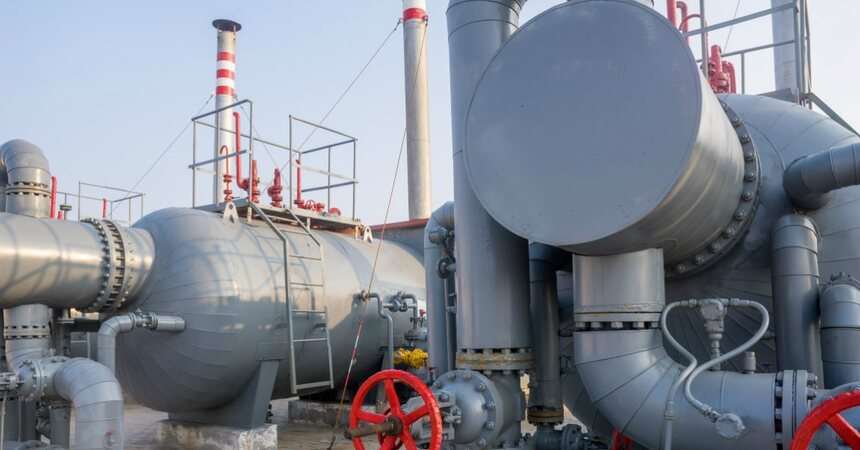
Both regulate pressure equipment safety, but one puts risk analysis on the manufacturer and the other prescribes the requirements. What that means in practice.
Scope, materials, strength calculations, testing, marking and conformity assessment under the EAEU regulation for equipment operating above 0.05 MPa.
The 0.05 MPa threshold that makes equipment high-risk, the device types it captures, and why the purpose of the device has nothing to do with it.
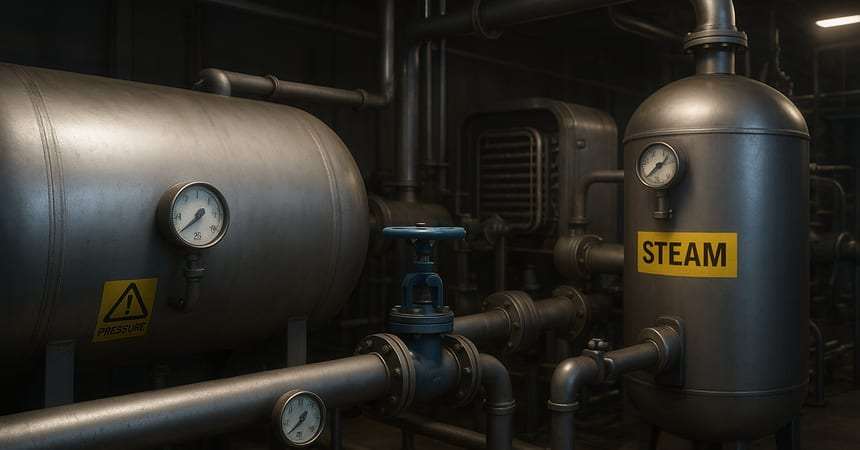
The failure modes the pressure equipment regulation exists to prevent, and what it does for manufacturers, operators and regulators in practice.
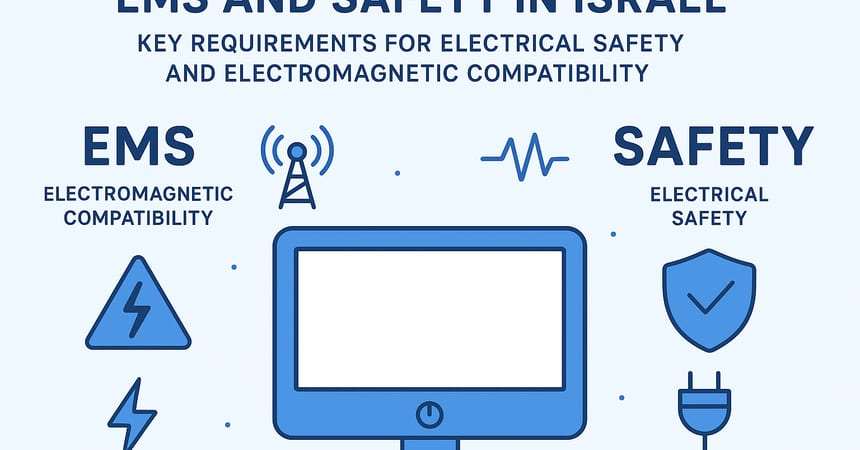
Israel's certification system covers Safety and EMC separately. Which IEC standard applies to which product class, and what each test programme covers.
It replaced IEC 60065 and 60950-1 with one risk-based system. What Energy Source Classification changes, and which products it now covers.
Which carpets need testing, what the paperwork must say to avoid customs delay, and the four test families an accredited laboratory runs.
ECAS certificates and Dubai Municipality Montaji registration in a week, GHAD registration and an SFDA shipment certificate in a month, with no samples.
INMETRO handles equipment and machinery, ANVISA handles cosmetics and health products. Different stages, different validity, and one shared prerequisite.
The five-step INMETRO route into Brazil for industrial, electrical and laboratory equipment, with realistic timelines and what it buys you in tenders.
Which industrial products need Anatel approval, why CE and FCC do not substitute for it, and the four mistakes that turn into customs delays.
Halal opens the market and national certification makes the product legal. Neither substitutes for the other, and customs checks both.
Electrical safety, EMC, fire, cybersecurity and bilingual labelling all apply to a connected lock. The six-step route, and the provincial traps.
Phytosanitary, agrochemical, veterinary, food quality, kosher and environmental, six certificate families, three regulators, and a 2 to 6 month lead time.
Moroccan NM standards are largely harmonised with European ones, so ISO and CE do real work. Which certificates each sector needs, and four common mistakes.
Four sectors where halal now matters in Morocco, the requirements for food and for cosmetics and pharmaceuticals, and how IMANOR treats foreign certificates.
Three authorities, Hebrew labelling that is mandatory rather than customary, and kosher status that is not legally required but commercially decisive.
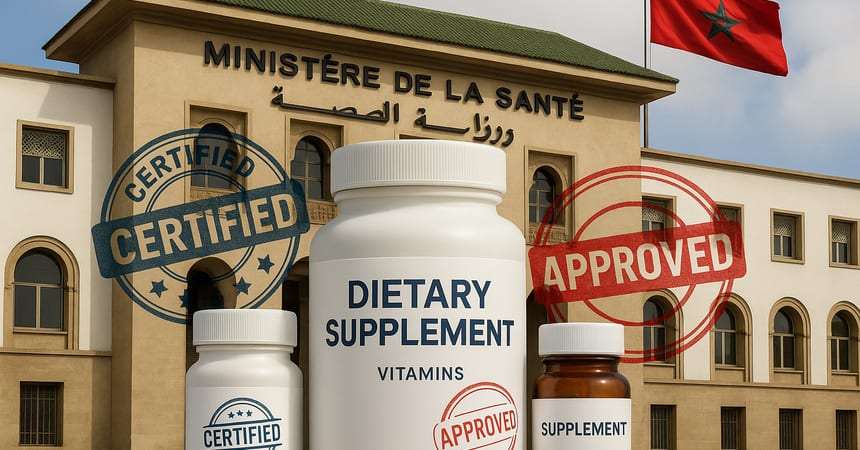
Morocco has no separate supplement category, products register as food or as pharmaceuticals. That classification sets the route and the document package.
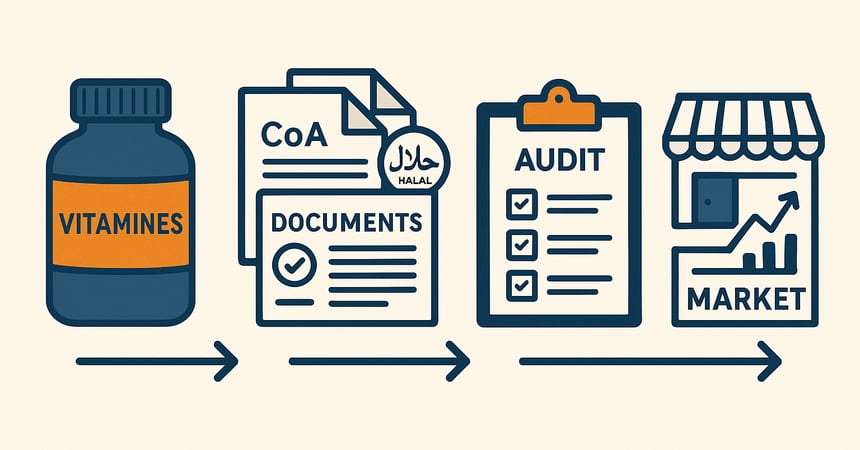
When a supplement needs a halal certificate, which international bodies IMANOR recognises, the documents required, and a 3 to 6 week timeline.
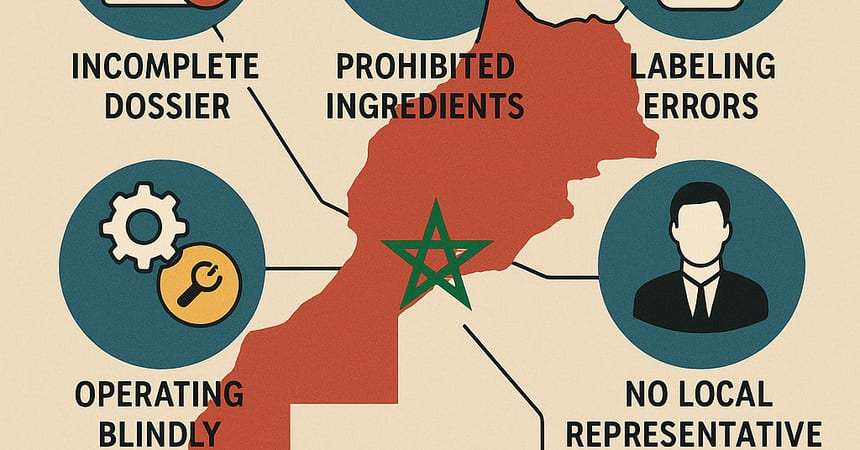
Ingredients legal in the EU but banned in Morocco, medical claims on labels, no local representative, and a four-month timeline people budget three weeks for.
No legal definition of nutraceutical exists, so classification decides everything: ONSSA or DMP, three to five months, and a mandatory local representative.
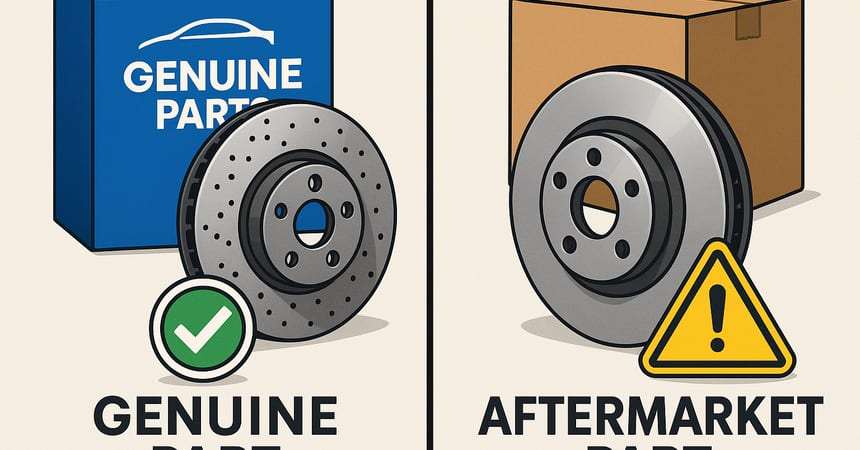
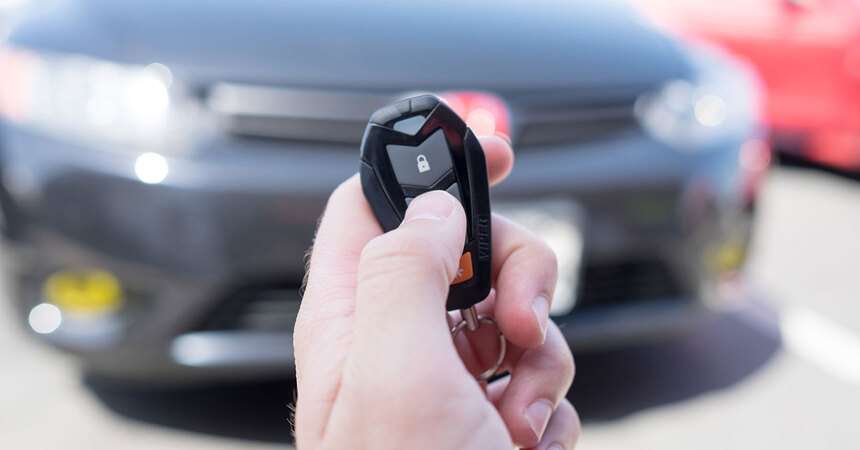
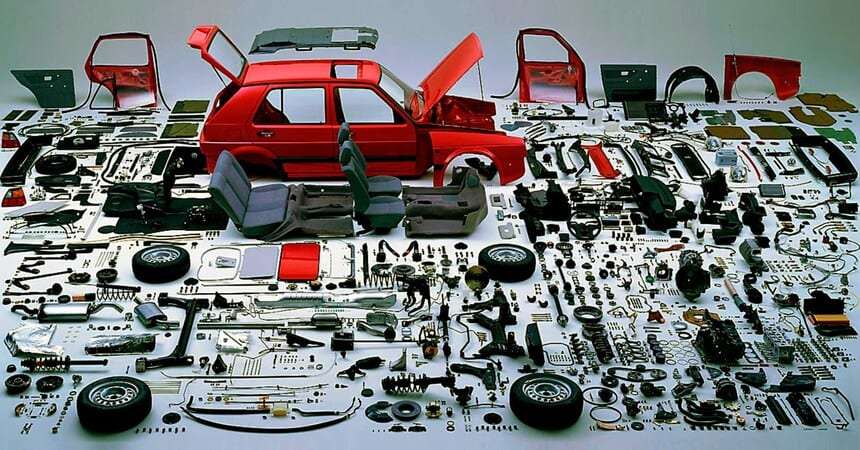
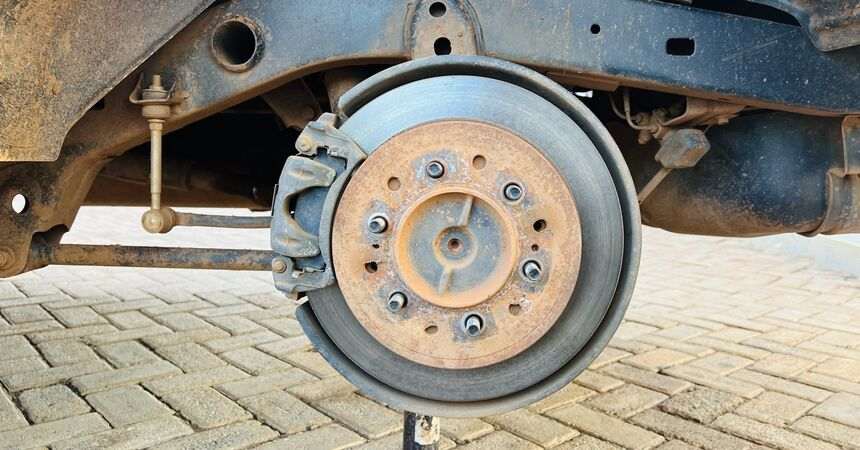
Genuine parts usually take a declaration; aftermarket parts take full testing per product code. Getting the classification wrong costs months, not days.
Which chemical products need approval, the four factors that decide the route, and the scheme names by market: REACH, K-REACH, ECAS, SFDA and TR CU.
Which categories are regulated, the five inputs that decide the answer, and why the same specification can be exempt in one country and not the next.
MOIAT, SABER, G-Mark and ESMA are separate schemes with one shared goal. Which products need approval, what the labs test, and what goes in the technical file.
Three schemes covering the EU, the GCC and the UAE, with the product categories each captures, and when a high-risk product moves up to EQM.
Which household products declare, which certify, when a fire safety certificate is added, and why an exemption letter is worth having at customs.
Opening a store is easy; UAE product compliance law still applies. Which categories need certification, what happens without it, and the limited exceptions.
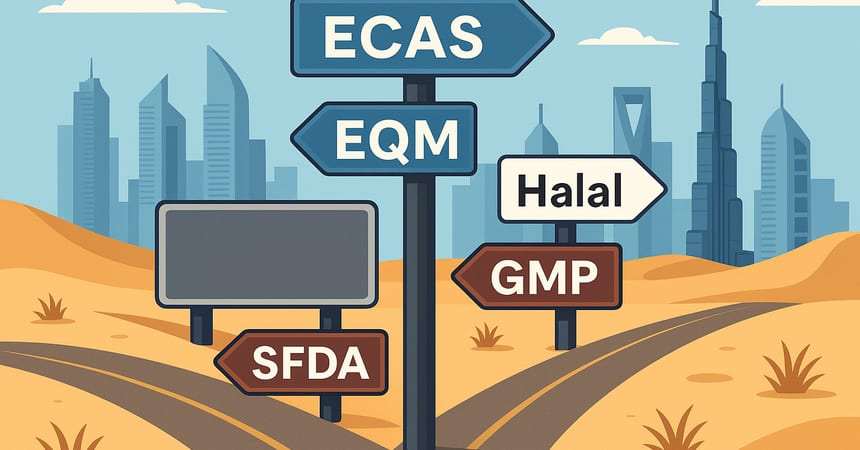
ECAS, EQM, Emirates Halal, GMP and SFDA do different jobs. Five questions that identify which your product needs, and where money gets wasted.
Dubai Municipality registration, a trade licence, physical stock in country and ongoing compliance, the four things a listing requires before the first sale.
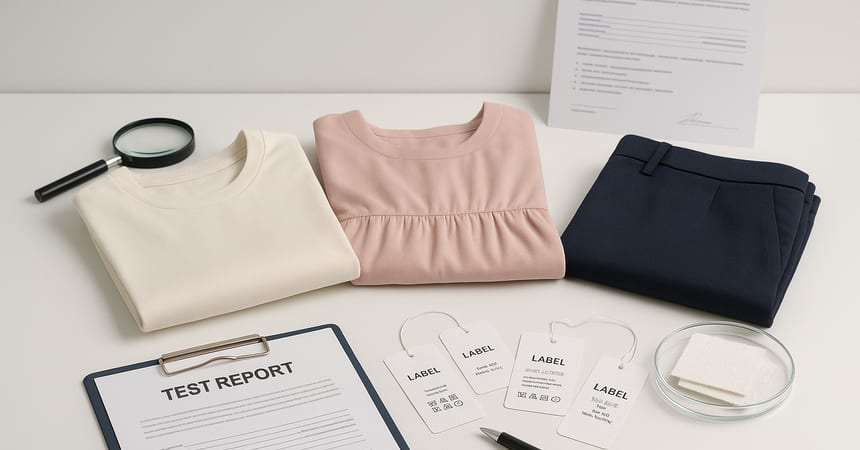
Fabric composition drives which tests apply, the label is the product's passport, and a lab discrepancy means no certificate, plus fines for false labelling.
How many samples, in what state, with what composition data and what labelling, the four preparation areas that decide whether testing passes first time.
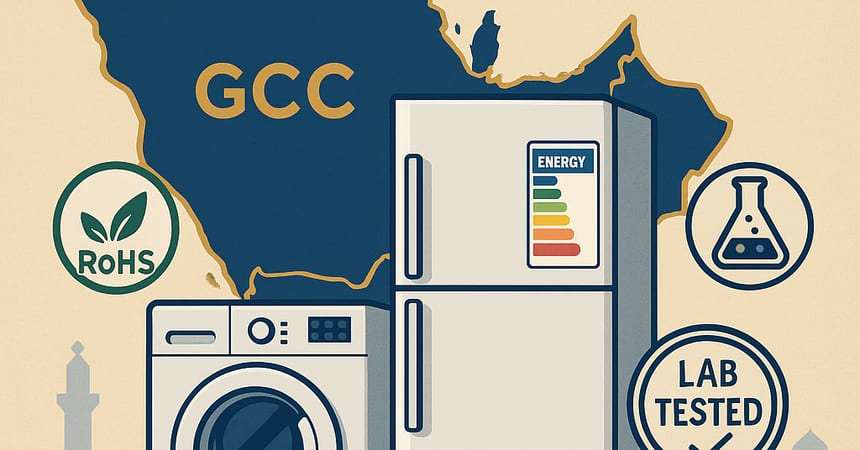
Safety to IEC and ISO, mandatory energy labelling, RoHS and recycling rules, local laboratory testing, and documentation in English and Arabic.
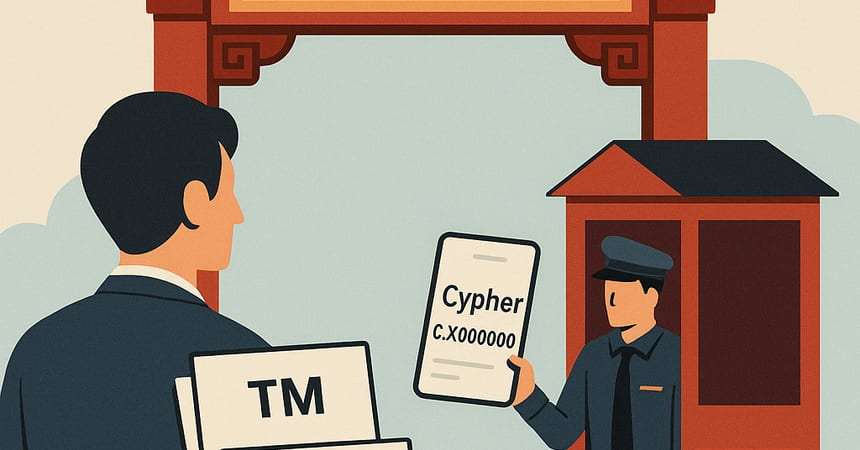
Check the HS code, register the trademark, get a Cypher ID under GACC Decrees 248 and 249, and produce the Chinese counter-label. In that order.
Three mandatory approvals for a network storage device, obtained in under five weeks with no hardware submitted. The documents, timings and fees.
Six categories, from food and cosmetics to vehicles, baby products and medical devices, with the authority and the specific requirements for each.
ESMA, SASO IECEE, SABER, halal and G-Mark, which applies, the seven-step process, and the Arabic labelling marketplaces check before listing.
What falls inside the EMC regulation, which products certify and which declare, the three certification schemes, and the two exclusions worth knowing.
Which products need it, which certification bodies the GCC actually recognises, and the audit and laboratory stages between application and certificate.
Requirements misread, documents incomplete, budgets set too late, samples stuck in transit, the four failures that stall electrical certification.
Plug types, voltages and labelling differ by country, and a European product often fails Middle East requirements. What to check before redesigning.
The six things a UAE food label must carry, the five mistakes that get shipments rejected, and why the date format matters more than exporters expect.
Finding suppliers willing to commit, coordinating ten engineers, and persuading a client that international testing is worth it. What actually unblocked each.
ECAS and EQM for sensitive categories like baby food, the documentation and testing that gets applications rejected, and the MOIAT platform in between.
A device that is both a measuring instrument and a radio transmitter faces two sets of requirements. The four steps, and the three that trip people up.
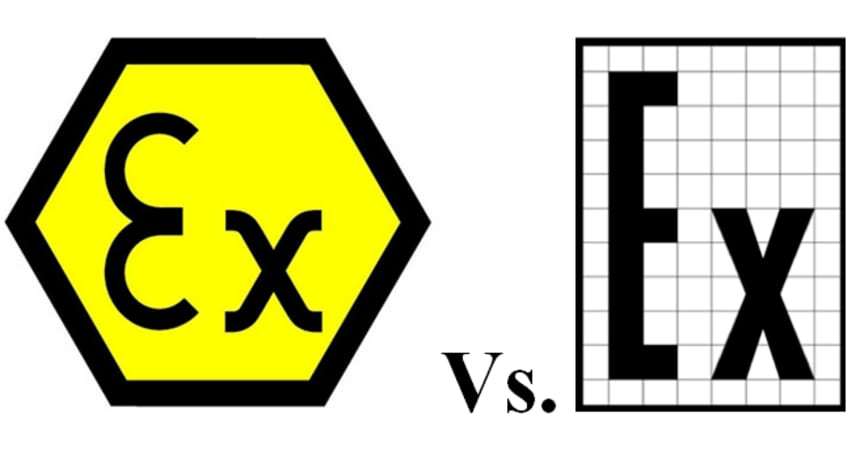
INMETRO certification for Ex equipment: the three product categories, the document list, and when IECEx gives presumption of conformity and ATEX does not.
What ANVISA requires before a cosmetic can be sold in Brazil: the four document sets, the three tests, Portuguese labelling rules and the ingredient limits.
ICASA, NRCS and SABS explained, which two are mandatory for a connected vending machine, which is voluntary, and what it is nevertheless worth.
Registering on the GACC platform, the certificates needed before you can, local quarantine testing, Chinese labelling and the eight documents customs asks for.
RoHS reports for Saudi Arabia must meet local requirements and feed the SABER platform. The four-step route from finding a laboratory to registration.
An FSSAI import licence issued only to Indian-registered companies, plus a No Objection Certificate per consignment. The seven stages and the documents.
A one-day audit and sampling visit to an Istanbul t-shirt factory: the five steps, what to confirm before travelling, and why ISO 9001 shortens it.
SII approval based on CB reports, or a Ministry of Economy exemption by customs code. Plus when MoC type approval applies, and when it does not.
Every LED light sold in the EEA must carry the CE mark, including products made elsewhere. The three directives that apply and the order the work goes in.
The strength calculation is a named document in TR CU 032. Which GOST standards govern it, why a foreign calculation is not accepted, and the language rule.
Skin contact decides the document. First-layer products certify, second and third layer declare, and the layer follows from intended use, not from the fabric.
The fourth electrical technical regulation of the EAEU. Which products declare, which certify, and why the 24-month transition period is not a holiday.
GCC Technical Regulation BD-131704-01 covers toys for under-14s. The hazard analysis required before market entry, Arabic warnings, and the three-step route.
Each luminaire type is tested against its own IEC 60598-2 part. The mapping from fixed general and recessed to street, flood, emergency and hand lamps.
Lead times of 4 to 6 months, sample counts that differ by scheme, a nameplate date rule that voids stock, and the verification step that follows delivery.
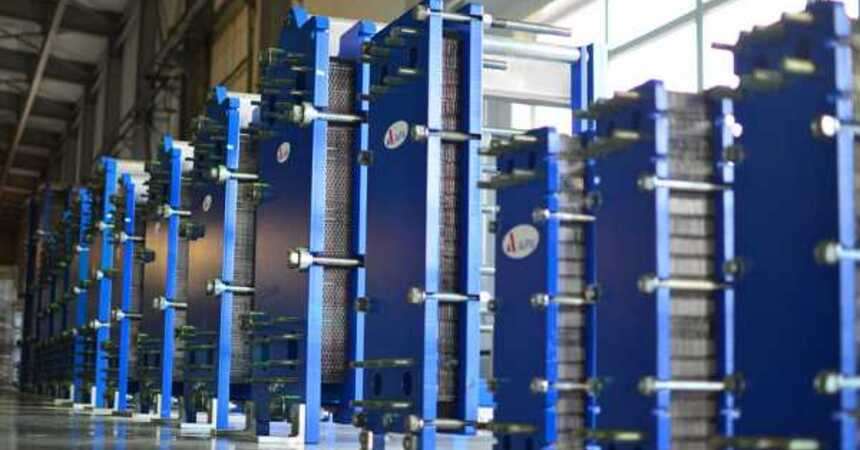
Heat exchangers fall under TR CU 010 always, and under TR CU 032 sometimes. What each route requires, and why tube side and shell side are assessed separately.
Three approval forms, three clothing layers and an age threshold that moves the answer. Which products certify, which declare, and what falls outside.
Which products need an SRC under three technical regulations plus the extra national list, who can apply, and why some categories take months rather than weeks.
Main and distribution pipelines are excluded from TR CU 032, and so are their parts. What that leaves, and why certification bodies disagree about pipes.
All 73 product positions under the EAEU machinery regulation, which take a certificate and which a declaration, plus the thirteen categories excluded outright.
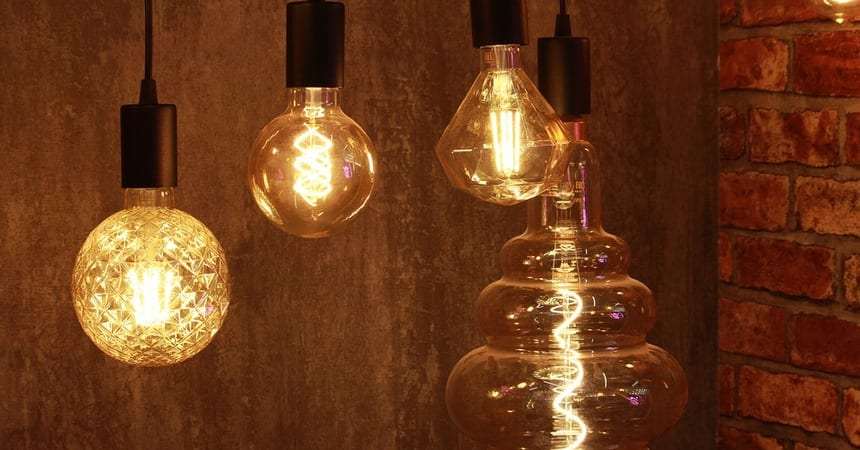
CE marking for lighting rests on three directives at once. Which standards apply per luminaire type, and which apply to every one of them.
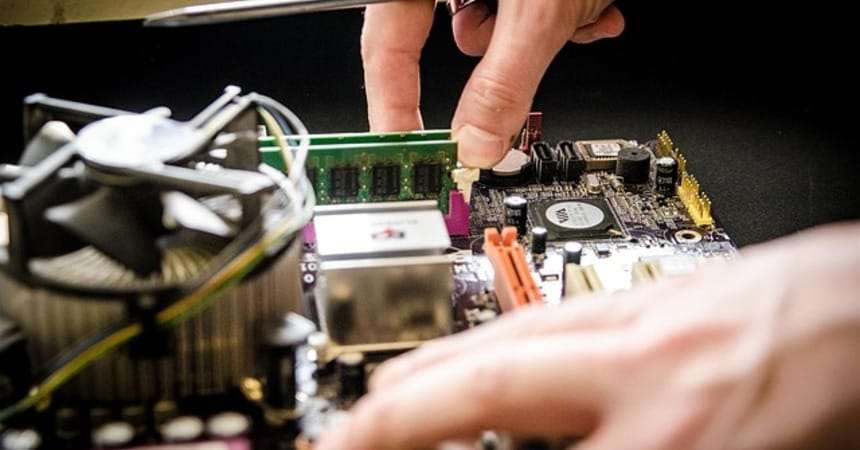
The four documents a PC may need for the Union, TR CU 004 and 020, RoHS, telecom and the encryption notification, plus how the 1c, 3c and 4c schemes differ.
Group 50 under TR CU 018, three HS codes to check first, and the radio-frequency and encryption approvals that attach at 119 to 135 kHz.
Hazardous or not, low voltage or high, synchronous or induction, three questions that decide whether a motor needs TR CU 012, 004, 020, or nothing at all.
Declaration or State Registration Certificate, which applies, the nine food technical regulations, mandatory label content, and how long the document lasts.
The certification and declaration schemes under TR EAEU 043/2017, the document package, validity terms, and the obligations that follow the certificate.
One certificate covers TR CU 004 and 020; RoHS goes on a separate declaration. The four steps, the annual inspection, and why RoHS testing takes a month.
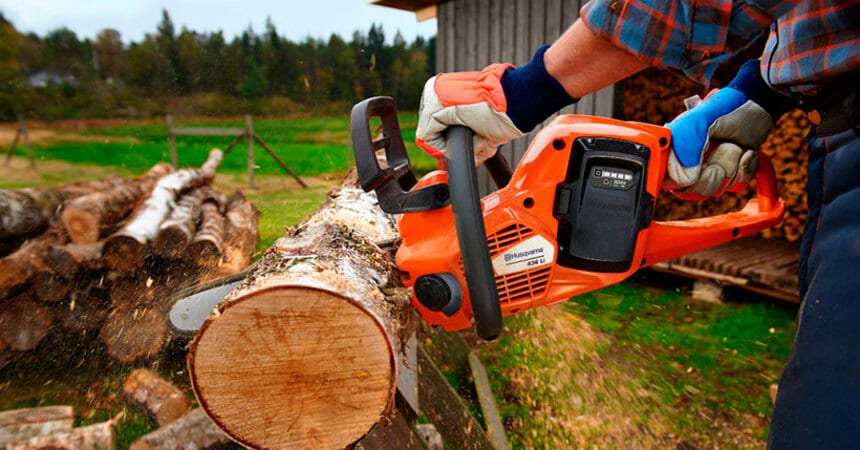
Why a petrol chainsaw falls under TR CU 010 and TR CU 020 but not TR CU 004, and why splitting the approval into two documents saved a round of testing.
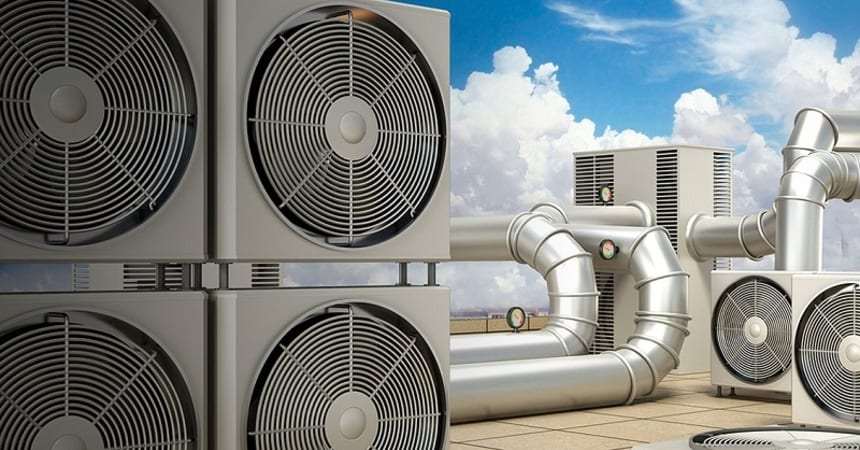
Household HVAC needs certificates under TR CU 004 and 020 plus a RoHS declaration. Industrial HVAC needs none of that, it declares under 004, 020 and 010.
A four-year certificate, mandatory local testing, part numbers written in full in the annex, and an annual inspection that re-tests the product.
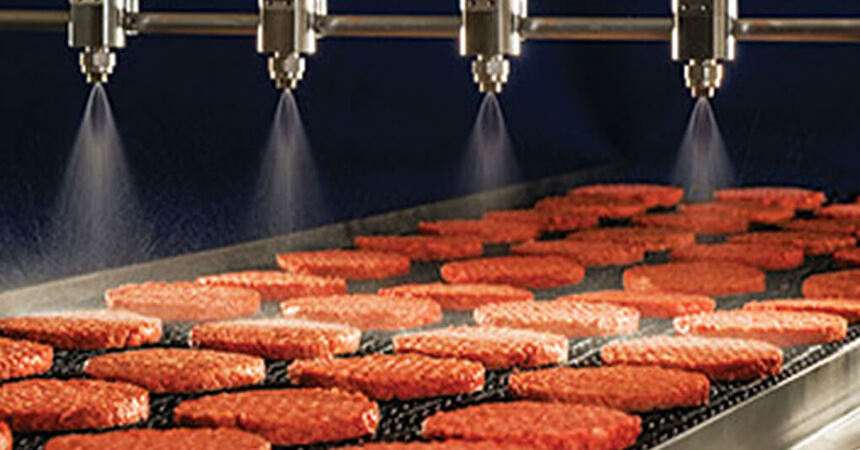
Food, meat, dairy and fish process equipment declares under TR CU 010, with TR CU 004 and 020 on top for low-voltage. Documents, schemes and label content.
EAC covers the whole Customs Union, but radio spectrum does not. Why wireless products need national approvals, and why the module is never the thing approved.
Which technical regulation applies to your textiles, the mandatory label fields under TR CU 017/2011 and 007/2011, and the extras by product type.
How TR CU 032/2013 sorts pressure vessels into categories 1 to 4, which category declares and which certifies, and the declaration and certification schemes.
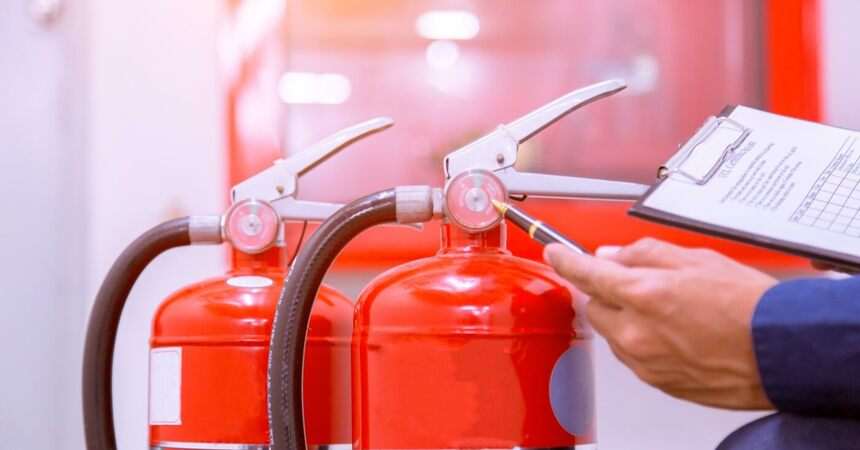
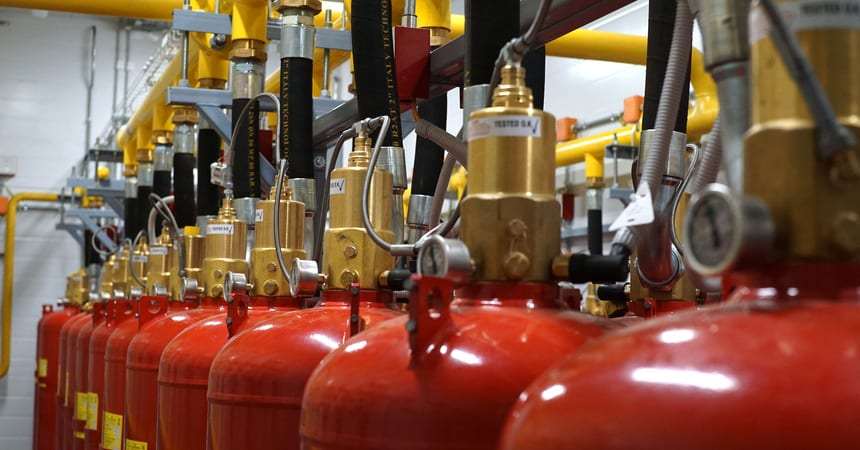
Why fire equipment certification needs dozens of samples, what a technical solution is, and which products almost always need one because no GOST exists.
Three technical regulations apply to lighting, certification runs on schemes 1c, 3c or 4c, and the test standards differ by fixture type.
What each field in an Ex marking means under GOST 31441.1-2011, groups, protection types, subgroups and temperature class, and where it must appear.
A 5d factory test on polyol mixers at the installation site, what was checked beforehand, the three problems the expert found, and how each was resolved.
How primary verification relates to the Pattern Approval Certificate, the documents each item needs, and a 216-channel turbine control case.
Adult clothing must be tested in the EAEU, one failed test fails the product, and a composition that does not match the declaration fails by construction.
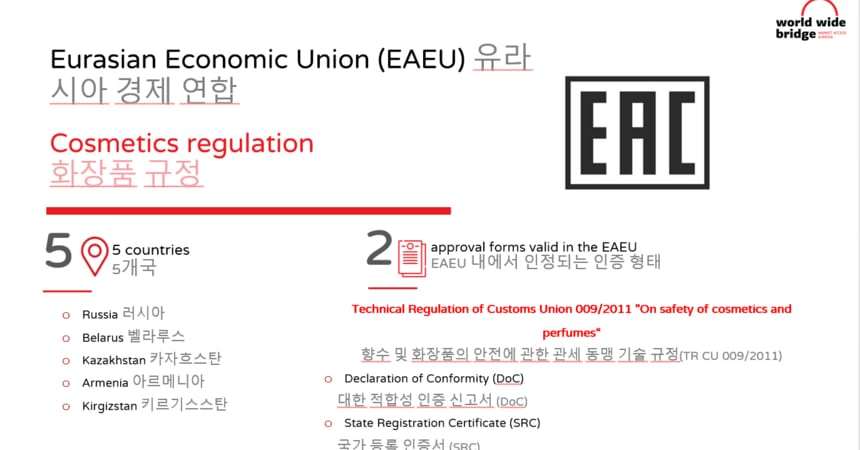
The ten-part agenda of a WWBridge webinar on entering the EAEU cosmetics market, approval forms, ingredient lists, and the safety indicators assessed.
What GOST 33855-2016 says a Justification of Safety must contain, when it has to be dated, and who writes it when the manufacturer will not.
How the CB Scheme turns a single IEC safety test into national approvals across 130+ countries: what it covers, timelines, samples and where testing happens.
Children's and educational furniture certifies; everything else declares. The two procedures, their lead times, and the furniture types outside the regulation.
The mandatory contents of an operating manual under each regulation, the language rule, and when an electronic-only manual is permitted.
Industrial pumps declare, household pumps certify, Ex pumps have one route only. The regulations that stack on top, plus a field-test case study.
Seven STB standards were reissued on 1 November 2020 with changes to structure, terms and definitions. No new testing was required.
All nineteen product groups under the EAEU fire safety regulation, how the approval form is decided, and why a foreign maker needs a local representative.
The five sections of a Justification of Safety, the two technical regulations that require it, who writes it, and when one document covers a whole family.
Every one of nineteen tractor components needs its own certificate before the tractor can be certified, and then the whole tractor is tested as well.
A recorded video conference in two stages, quality management system, then sampling. What the expert asks to see, and what the decision turns on.
What a technical passport contains, why CIS plants keep one per serial number, and the specific fields TR CU 032 adds for pipelines, boilers and vessels.
The TR CU 010 scheme that needs no site audit and no samples, when a batch qualifies for it, and the documents it rests on instead.
A declaration per product type under TR CU 009, plus state registration for listed categories. Why compositions in percentage decide the test report count.
A supply deal signed before certification, dresses for six-year-olds that failed hygroscopicity testing, and why synthetic content is the recurring cause.
What the nameplate on Ex equipment must carry under TR CU 012/2011, where it goes, how long it has to survive, and the optional fields worth adding.
The fifteen items a cosmetics label must carry in the Customs Union, including the two that only apply to specific product types.
When the 5d declaration scheme applies, why a hazardous facility changes the answer, and the five steps from enquiry to a registered declaration.
The invoice fields that keep samples under the customs threshold, the label every item needs, and why the courier choice can sink the registration.
TR CU 007 requires a site audit for children's clothing. What the expert checked in Foshan, in what order, and what the visit was actually assessing.
Six restricted substances, a declaration rather than a certificate, and three routes under scheme 1d that turn on which test reports you already hold.
How fire safety approvals moved from national rules to one EAEU regulation on 1 January 2020, and how long the old certificates stayed usable.
Scheme 1d rests on your own evidence, 3d on an accredited Customs Union lab. And the belief that foreign reports are barred is not in the text.
Thirteen device categories fall under the EAEU restricted substances regulation, from lighting and IT to vending machines, cash registers and sports equipment.
Send the product name, HS code and technical data. You get back the applicable route, the document list and a timeline, before any commitment.
Scoping is freeReply within one working day