Halal, Kosher and National Standards in the GCC
Halal opens the market and national certification makes the product legal. Neither substitutes for the other, and customs checks both.
Food, drink, supplements and food-contact equipment: which registration a market requires, and what the label has to carry.
Reviewed
Food, drink, dietary supplements and the equipment that processes them reach a market on the strength of a registration and a label. Laboratory testing matters, and it is rarely the thing that stops a shipment. In the Eurasian Economic Union a product carries either a Declaration of Conformity or a State Registration Certificate, and which one applies is fixed by the product rather than by preference: baby food, medical dietary products, sports nutrition, dietary supplements and mineral water above 1 mg/dm3 take state registration under TR CU 021/2011, while the rest of the food list declares.
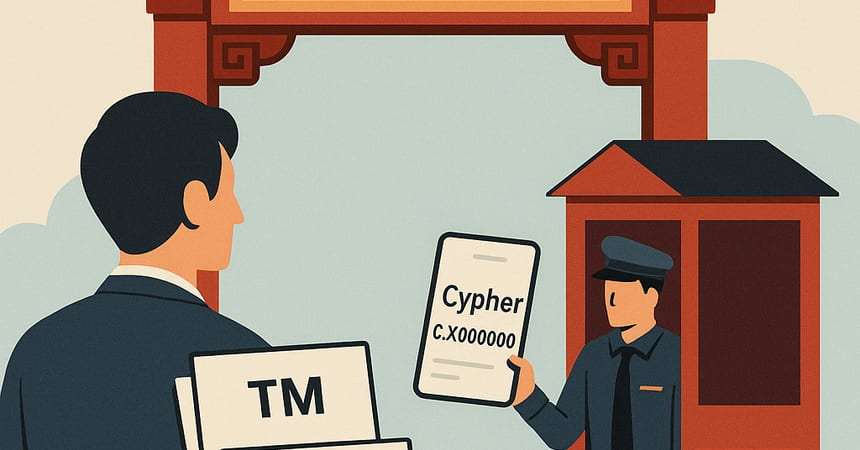
In most of these markets the producer is registered before the product is. Since 1 January 2022, under GACC Decrees No. 248 and 249, every food manufacturer exporting to China holds a Cypher ID issued per production site, and distributors cannot hold one at all. India issues the FSSAI import licence only to a company registered in India, then wants a No Objection Certificate for each consignment through the Food Import Clearance System. Morocco rejects dossiers filed without a Moroccan legal entity or a regulatory representative, and the UAE runs everything through the MOIAT platform under a named applicant.
The label is where compliant goods get stopped. A Chinese counter-label has to carry the Cypher number, the manufacturer, the shelf life and the importer in China, or customs refuses the consignment whatever else is in order. Israel treats Hebrew labelling as a condition of sale rather than a courtesy. Morocco requires French and Arabic with medical claims such as heals or treats removed, because wording that reads as ordinary marketing elsewhere reclassifies the product as a pharmaceutical there. TR CU 022/2011 sets the equivalent content list behind the EAC mark.
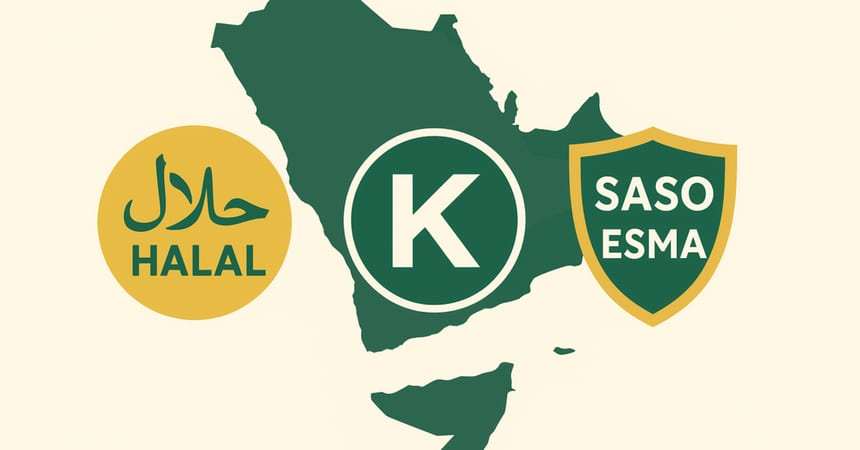
Two further problems recur across these articles. Religious certification is settled by who issued it: GCC importers accept halal certificates only from bodies recognised by ESMA, the Saudi Food and Drug Authority or the GCC Accreditation Center, and a foreign kosher certificate is not automatically recognised by the Chief Rabbinate of Israel. Then there is the plant, since process equipment for food, meat, dairy and fish is declared under TR CU 010/2011, with TR CU 004 and TR CU 020 added where it is low-voltage. Send us the product and the destination and we will name the route.
No articles match that.
Halal opens the market and national certification makes the product legal. Neither substitutes for the other, and customs checks both.
Phytosanitary, agrochemical, veterinary, food quality, kosher and environmental, six certificate families, three regulators, and a 2 to 6 month lead time.
Moroccan NM standards are largely harmonised with European ones, so ISO and CE do real work. Which certificates each sector needs, and four common mistakes.
Four sectors where halal now matters in Morocco, the requirements for food and for cosmetics and pharmaceuticals, and how IMANOR treats foreign certificates.
Three authorities, Hebrew labelling that is mandatory rather than customary, and kosher status that is not legally required but commercially decisive.
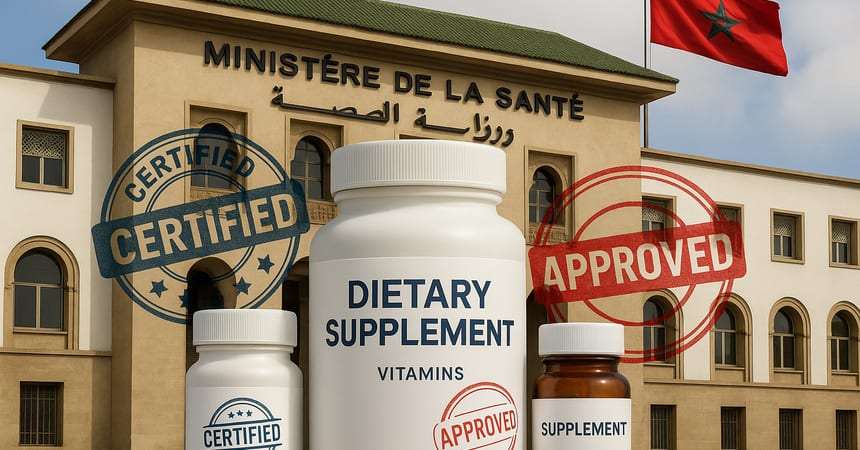
Morocco has no separate supplement category, products register as food or as pharmaceuticals. That classification sets the route and the document package.
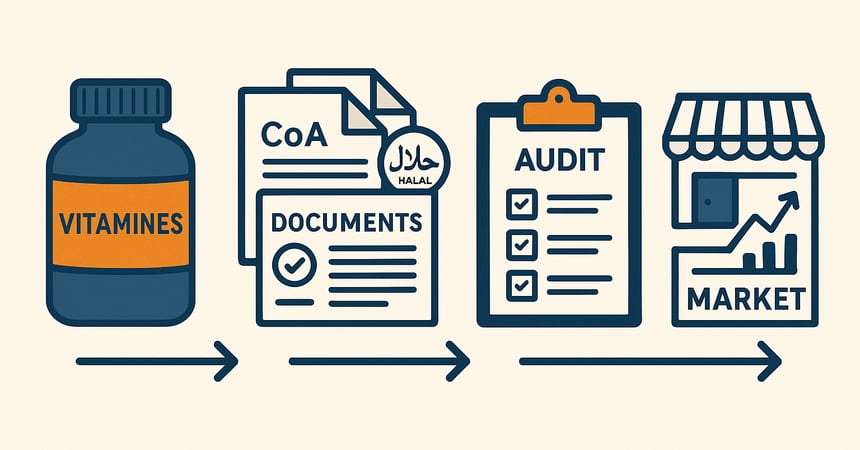
When a supplement needs a halal certificate, which international bodies IMANOR recognises, the documents required, and a 3 to 6 week timeline.
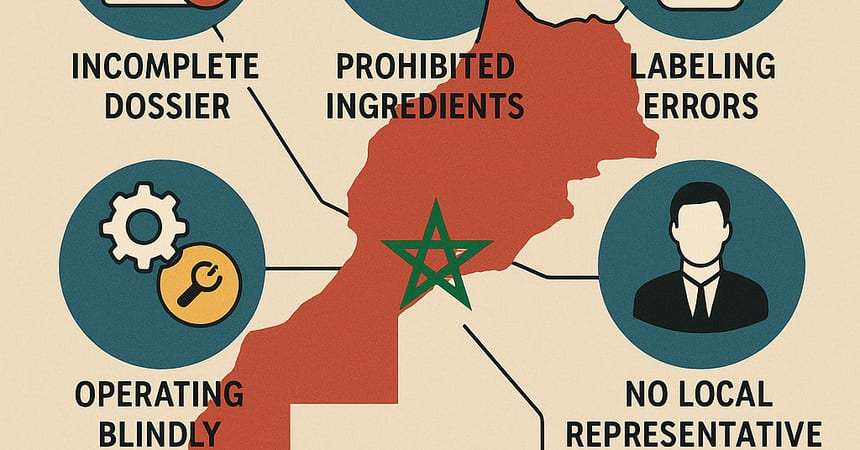
Ingredients legal in the EU but banned in Morocco, medical claims on labels, no local representative, and a four-month timeline people budget three weeks for.
No legal definition of nutraceutical exists, so classification decides everything: ONSSA or DMP, three to five months, and a mandatory local representative.
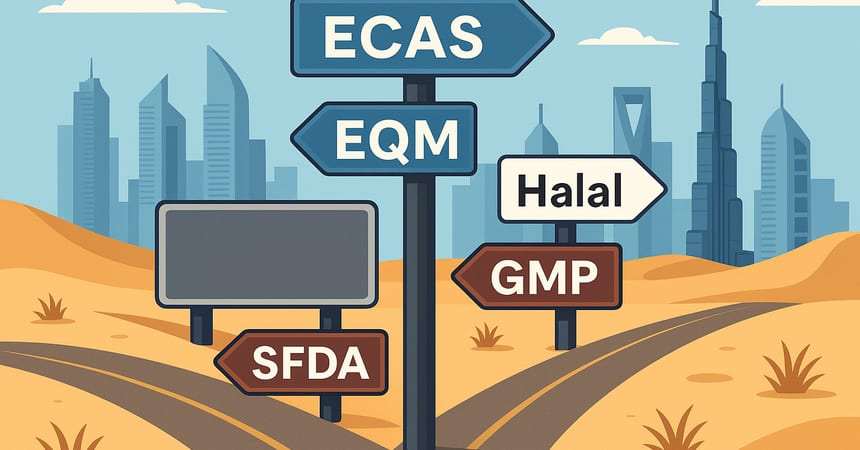
ECAS, EQM, Emirates Halal, GMP and SFDA do different jobs. Five questions that identify which your product needs, and where money gets wasted.
Check the HS code, register the trademark, get a Cypher ID under GACC Decrees 248 and 249, and produce the Chinese counter-label. In that order.
Which products need it, which certification bodies the GCC actually recognises, and the audit and laboratory stages between application and certificate.
Finding suppliers willing to commit, coordinating ten engineers, and persuading a client that international testing is worth it. What actually unblocked each.
ECAS and EQM for sensitive categories like baby food, the documentation and testing that gets applications rejected, and the MOIAT platform in between.
Registering on the GACC platform, the certificates needed before you can, local quarantine testing, Chinese labelling and the eight documents customs asks for.
An FSSAI import licence issued only to Indian-registered companies, plus a No Objection Certificate per consignment. The seven stages and the documents.
Declaration or State Registration Certificate, which applies, the nine food technical regulations, mandatory label content, and how long the document lasts.
Food, meat, dairy and fish process equipment declares under TR CU 010, with TR CU 004 and 020 on top for low-voltage. Documents, schemes and label content.
The company, almost everywhere in this section. A Cypher ID in the GACC system is issued to a production site before any consignment moves, the FSSAI import licence has to sit with an Indian entity before a consignment NOC can be requested, and a Moroccan dossier without a local representative is refused rather than corrected. Product work done ahead of the establishment registration usually has to be repeated.
More than the certificate fee suggests. A complete supplement dossier in Morocco runs up to four months against the two to three weeks manufacturers commonly budget, Israel wants three to six months because sanitary and religious inspections both have to happen, a Chinese trademark takes roughly twelve months to full registration, and a first retail consignment into China opens a border registration dossier that adds 10 to 15 business days.
Send the product name, HS code and technical data. You get back the applicable route, the document list and a timeline, before any commitment.
Scoping is freeReply within one working day