TR CU 032 vs the PED Directive: Two Philosophies
Both regulate pressure equipment safety, but one puts risk analysis on the manufacturer and the other prescribes the requirements. What that means in practice.
Pressure, explosion protection and machinery safety, where a declaration is rarely enough and the factory audit sets the schedule.
Reviewed
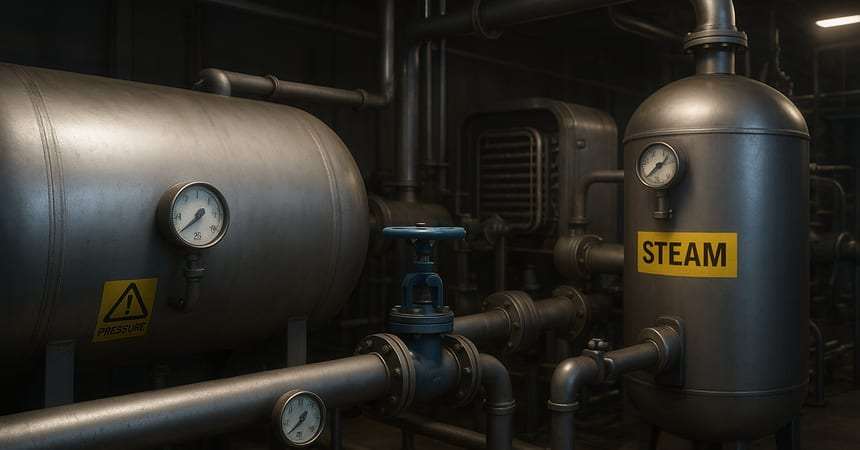
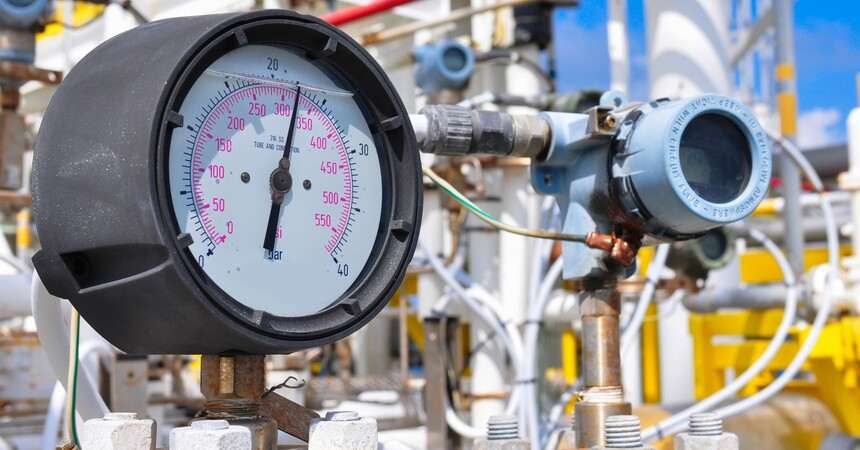
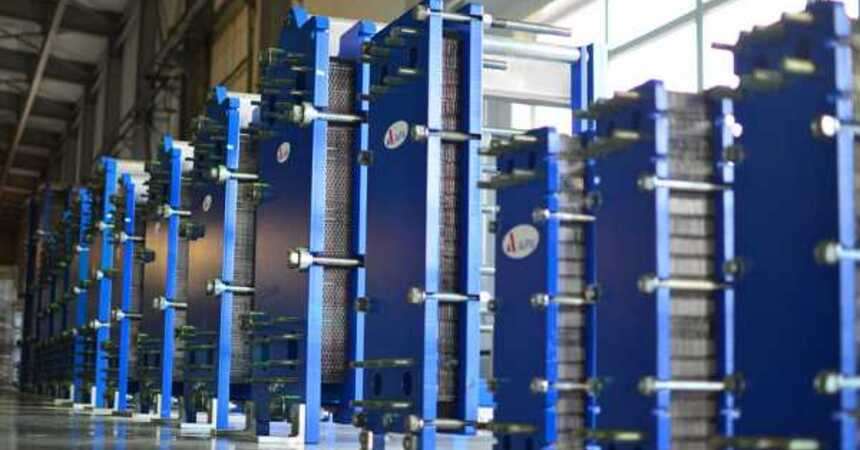
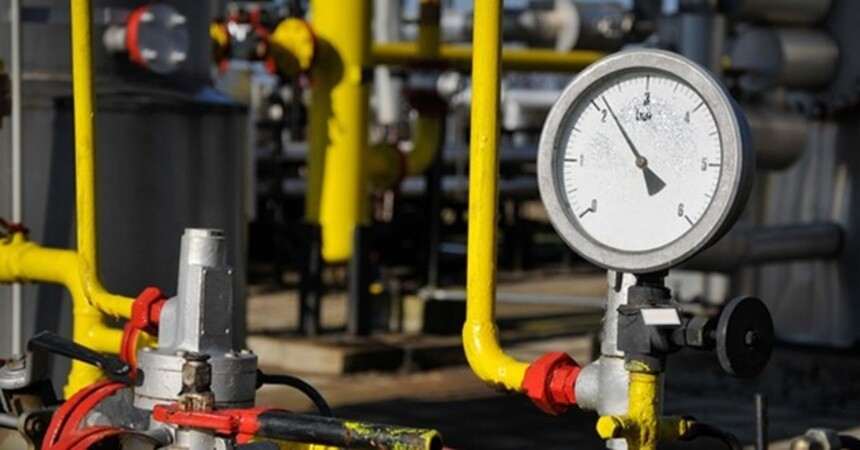
Hazardous equipment is a regulatory class before it is an engineering one. Under TR CU 032/2013 the line is one number, internal pressure more than 0.05 MPa above atmospheric, and above it a vessel, boiler, pipeline, heat exchanger or fitting is high-risk whatever the device is for. TR CU 010/2011 governs machinery, TR CU 012/2011 governs equipment for explosive atmospheres, and a great many products in this section fall under two of them at once. What follows from that is set by hazard category and by the facility the equipment is going to, never by the applicant.
The word declaration misleads here. TR CU 012 has no declaration route at all: explosion-proof equipment takes a certificate of conformity from an accredited body, and there is no scheme that lets a manufacturer self-declare into the Union. Under TR CU 010, equipment bound for a hazardous industrial facility such as a chemical plant goes through scheme 5d, where an expert visits the production site, examines the construction, tests the product against the manufacturer’s own methodology and issues a Type Certificate. Only on the basis of that certificate can the declaration be registered. TR CU 032 splits the same way, with inspection control attached to the higher hazard categories.
That visit is what drives the calendar, and it fails on readiness rather than on engineering. It runs for about a day, and a missing marking plate, an incomplete assembly or a model that cannot be brought into operating mode is enough for the expert to decline the test and leave. Scheme 9c is the recognised way round the audit, for a limited batch delivered to one named site, resting on a review of the manufacturer’s documents with no samples shipped. Fire safety products under TR EAEU 043/2017 sit alongside, still requiring in-country testing and often a production site audit.
Documents decide the rest of the timeline. A Justification of Safety is demanded by TR CU 010 and TR CU 032 and by no other regulation of the Union. Pressure equipment adds a strength calculation drawn up to GOST 34233.1-2017 or GOST 14249-89, and a technical passport kept per serial number rather than per model, all in the Union’s working language. A PED dossier does not carry across, so the calculation is redone. The articles below work through the schemes and the paperwork one at a time; if you know the product and the facility, send us both and the route can be named directly.
No articles match that.
Both regulate pressure equipment safety, but one puts risk analysis on the manufacturer and the other prescribes the requirements. What that means in practice.
Scope, materials, strength calculations, testing, marking and conformity assessment under the EAEU regulation for equipment operating above 0.05 MPa.
The 0.05 MPa threshold that makes equipment high-risk, the device types it captures, and why the purpose of the device has nothing to do with it.
The failure modes the pressure equipment regulation exists to prevent, and what it does for manufacturers, operators and regulators in practice.
A device that is both a measuring instrument and a radio transmitter faces two sets of requirements. The four steps, and the three that trip people up.
The strength calculation is a named document in TR CU 032. Which GOST standards govern it, why a foreign calculation is not accepted, and the language rule.
Lead times of 4 to 6 months, sample counts that differ by scheme, a nameplate date rule that voids stock, and the verification step that follows delivery.
Heat exchangers fall under TR CU 010 always, and under TR CU 032 sometimes. What each route requires, and why tube side and shell side are assessed separately.
Main and distribution pipelines are excluded from TR CU 032, and so are their parts. What that leaves, and why certification bodies disagree about pipes.
All 73 product positions under the EAEU machinery regulation, which take a certificate and which a declaration, plus the thirteen categories excluded outright.
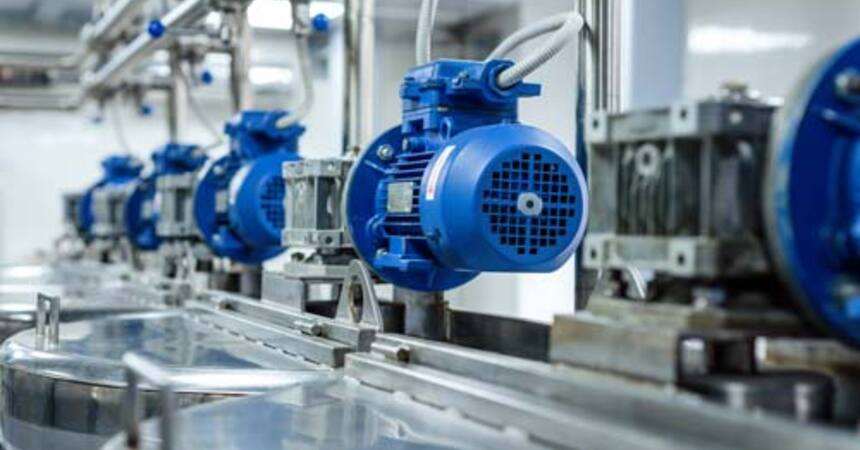
Hazardous or not, low voltage or high, synchronous or induction, three questions that decide whether a motor needs TR CU 012, 004, 020, or nothing at all.
The certification and declaration schemes under TR EAEU 043/2017, the document package, validity terms, and the obligations that follow the certificate.
How TR CU 032/2013 sorts pressure vessels into categories 1 to 4, which category declares and which certifies, and the declaration and certification schemes.
Why fire equipment certification needs dozens of samples, what a technical solution is, and which products almost always need one because no GOST exists.
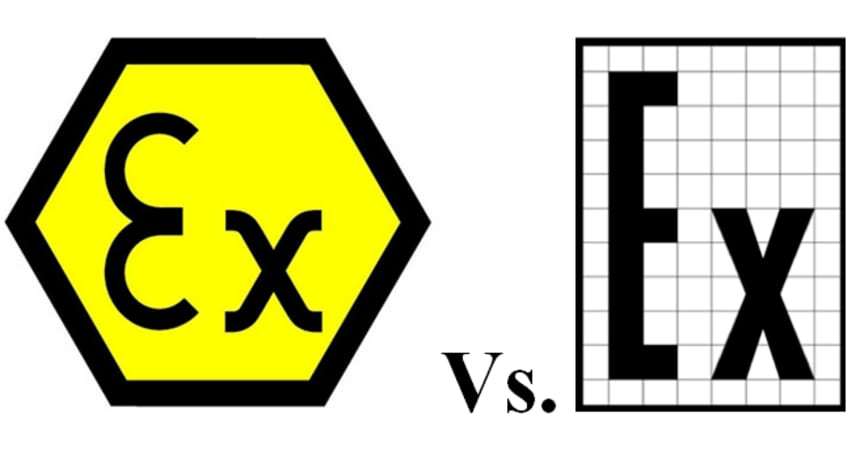
What each field in an Ex marking means under GOST 31441.1-2011, groups, protection types, subgroups and temperature class, and where it must appear.
A 5d factory test on polyol mixers at the installation site, what was checked beforehand, the three problems the expert found, and how each was resolved.
How primary verification relates to the Pattern Approval Certificate, the documents each item needs, and a 216-channel turbine control case.
What GOST 33855-2016 says a Justification of Safety must contain, when it has to be dated, and who writes it when the manufacturer will not.
Industrial pumps declare, household pumps certify, Ex pumps have one route only. The regulations that stack on top, plus a field-test case study.
All nineteen product groups under the EAEU fire safety regulation, how the approval form is decided, and why a foreign maker needs a local representative.
The five sections of a Justification of Safety, the two technical regulations that require it, who writes it, and when one document covers a whole family.
Every one of nineteen tractor components needs its own certificate before the tractor can be certified, and then the whole tractor is tested as well.
What a technical passport contains, why CIS plants keep one per serial number, and the specific fields TR CU 032 adds for pipelines, boilers and vessels.
The TR CU 010 scheme that needs no site audit and no samples, when a batch qualifies for it, and the documents it rests on instead.
What the nameplate on Ex equipment must carry under TR CU 012/2011, where it goes, how long it has to survive, and the optional fields worth adding.
When the 5d declaration scheme applies, why a hazardous facility changes the answer, and the five steps from enquiry to a registered declaration.
How fire safety approvals moved from national rules to one EAEU regulation on 1 January 2020, and how long the old certificates stayed usable.
No. A declaration under TR CU 010 scheme 5d is registered only after an expert from an accredited certification body has audited the production site and issued a Type Certificate, and TR CU 012 offers no declaration route for explosion-proof equipment at all. Plan for a third party in every case in this section.
Not as they stand. There is no mutual acceptance between PED 2014/68/EU and TR CU 032/2013, and a calculation is accepted only when drawn up in full compliance with GOST 34233.1-2017, GOST 14249-89 and their companion standards, in the Union’s working language. Budget for reissuing it rather than translating it.
Send the product name, HS code and technical data. You get back the applicable route, the document list and a timeline, before any commitment.
Scoping is freeReply within one working day