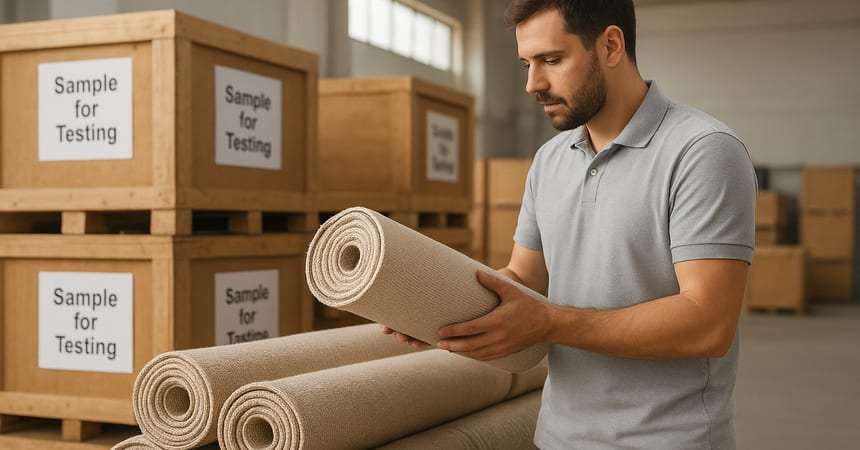
Importing Carpet Samples from Istanbul for Testing
Which carpets need testing, what the paperwork must say to avoid customs delay, and the four test families an accredited laboratory runs.
Textiles, clothing and footwear under TR CU 017 and 007, where the label and the declared fibre composition fail more products than the laboratory does.
Reviewed
Light industry is the EAEU term for soft goods, and TR CU 017/2011 is the regulation that governs them: textiles and knitted fabric, clothing, footwear, leather and fur goods, machine-made carpets, and textile accessories. The regulation offers two approval documents, and which one applies is settled by how much of the product touches the skin. First-layer items in direct contact with skin, underwear, hosiery, T-shirts and bed linen, need a Certificate of Conformity. Second and third layer, meaning limited contact and outerwear, need a Declaration. A T-shirt certifies. A shirt declares.
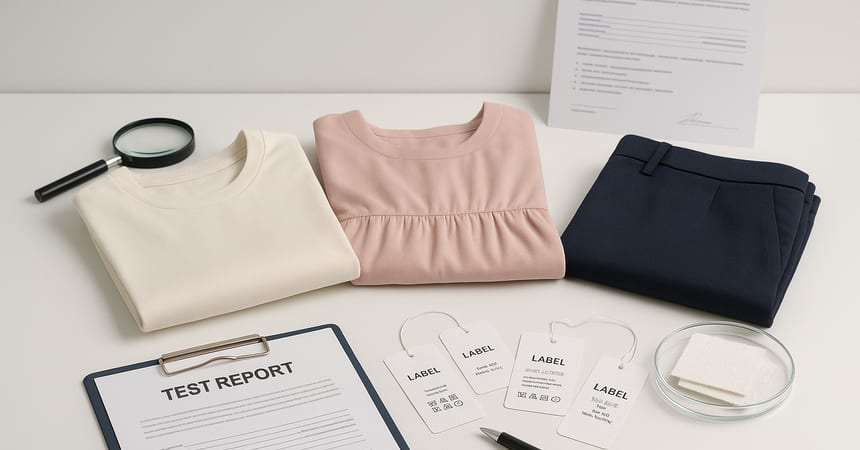
Almost nothing fails on the test bench. It fails on the two lines that describe the product. GOST standards prescribe different test methods for different materials, so a declared composition that does not match the garment sends the laboratory to the wrong method and produces a failure by construction. Every component counts, including lining, padding, threads and trims, and 3 to 5 percent of synthetic fibre can change the whole test programme. The ±5 percent tolerance on declared composition is a tolerance, not a rounding convention. The rest are label failures: text missing in the Union's working language, wrong care symbols, an absent EAC mark.
Childrenswear is a different regime rather than a stricter one. TR CU 007/2011 covers everything made for children under 14 and teenagers aged 14 to 18, and it sits alongside TR CU 017 instead of replacing it. A certificate under it always requires a factory audit. It adds label fields of its own, and items for newborns and underwear for children under one must state that washing before first use is obligatory. Hygienic limits are where these products actually die: synthetic content that passes elsewhere fails hygroscopicity testing under GOST, and dye and vapour migration are assessed.
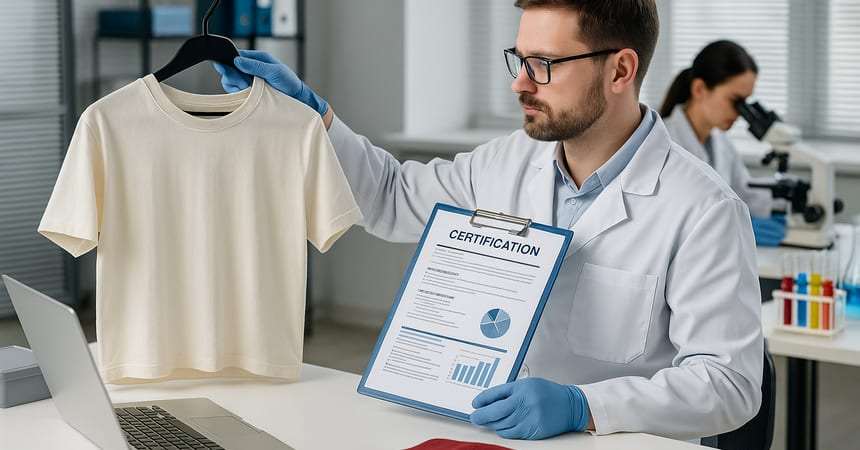
Clothing gets no acceptance of foreign test reports. Testing happens inside the EAEU because the law requires it, it takes about two weeks, it needs several samples of each position, and one failed result fails the product outright. Samples must be finished and ready for sale, unworn and unwashed, and every item needs a label or the laboratory cannot match it to the application. The articles below work through the layers, the label fields, sample shipping and the factory audit. If you have a composition breakdown and a photograph of the label, send both and we will tell you what will fail.
No articles match that.
Which carpets need testing, what the paperwork must say to avoid customs delay, and the four test families an accredited laboratory runs.
Fabric composition drives which tests apply, the label is the product's passport, and a lab discrepancy means no certificate, plus fines for false labelling.
How many samples, in what state, with what composition data and what labelling, the four preparation areas that decide whether testing passes first time.
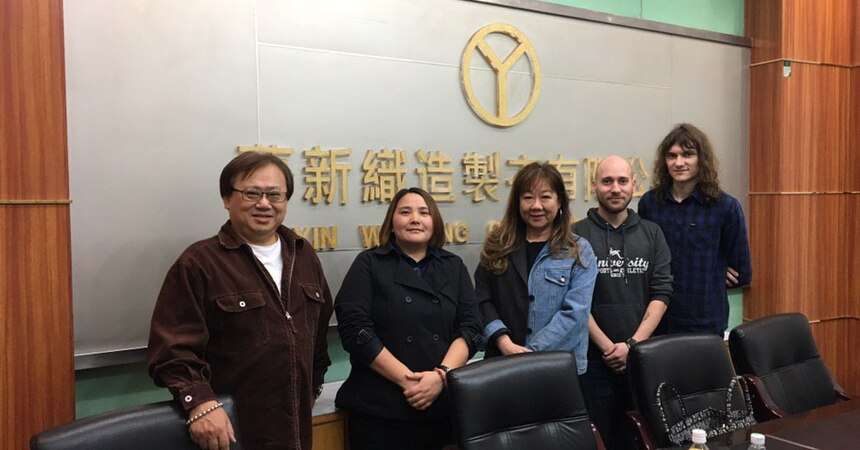
A one-day audit and sampling visit to an Istanbul t-shirt factory: the five steps, what to confirm before travelling, and why ISO 9001 shortens it.
Skin contact decides the document. First-layer products certify, second and third layer declare, and the layer follows from intended use, not from the fabric.
Which technical regulation applies to your textiles, the mandatory label fields under TR CU 017/2011 and 007/2011, and the extras by product type.
Adult clothing must be tested in the EAEU, one failed test fails the product, and a composition that does not match the declaration fails by construction.
A recorded video conference in two stages, quality management system, then sampling. What the expert asks to see, and what the decision turns on.
A supply deal signed before certification, dresses for six-year-olds that failed hygroscopicity testing, and why synthetic content is the recurring cause.
The invoice fields that keep samples under the customs threshold, the label every item needs, and why the courier choice can sink the registration.
TR CU 007 requires a site audit for children's clothing. What the expert checked in Foshan, in what order, and what the visit was actually assessing.
The declared fibre composition and the label, not the performance of the material. A composition that does not match the garment makes the laboratory apply the wrong GOST method, and the result is a failure rather than a marginal score. Sound products are also rejected outright for a label with missing information in the Union's working language, incorrect care symbols, or no EAC mark.
No. It falls under a separate regulation, TR CU 007/2011, which applies to everything for children under 14 and teenagers up to 18 and runs alongside TR CU 017. It requires a factory audit for every certificate, adds label fields such as service life and warranty period, and enforces hygienic limits that reject synthetic content accepted in adult ranges.
Send the product name, HS code and technical data. You get back the applicable route, the document list and a timeline, before any commitment.
Scoping is freeReply within one working day