The Remote Factory Audit for TR CU 007 and 017

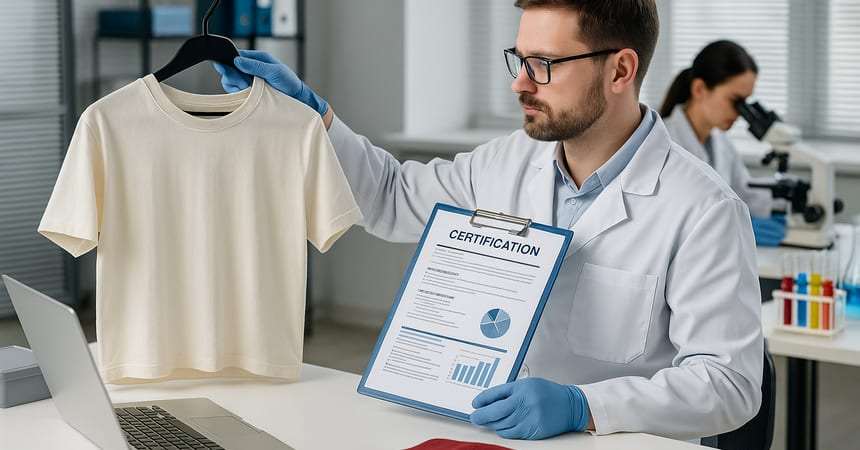
A remote factory inspection runs as a recorded Zoom conference, kept in the certification body's archive as legal evidence that the scheme was followed. It has the same two stages as an on-site audit, quality management system check, then sampling, and ends with the same decision.
What is a remote audit?
A video conference, held on Zoom and recorded. The recordings go into the certification body’s archive as legal evidence that the body followed the certification scheme and that the factory met the requirements of TR CU 007 and TR CU 017.
Like an on-site inspection, it divides into two stages:
- Quality management system check
- Sampling
Stage 1: the quality management system
The expert asks general questions about the manufacturer, and about the documents and standards it works to when producing goods for export to the five EAEU member states. The manufacturer shows those documents on camera.
The manufacturer then moves around the production facility, showing every room and workshop and describing what happens in each. The recording captures all equipment used in production.
Where the factory uses measuring equipment, the manufacturer must provide calibration certificates.
This is the stage people underprepare. Walking a camera through a facility while explaining each area is a rehearsal-worthy exercise, and a stationary laptop in a meeting room does not satisfy it.
Stage 2: sampling
This happens in the finished goods warehouse.
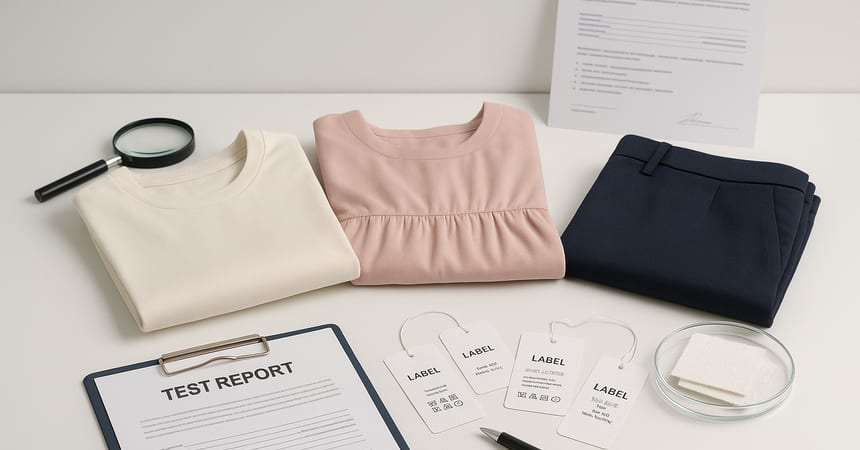
The expert asks to see the room, and a particular number of declared products, compositions and trademarks on camera for identification. The expert inspects some samples in detail to check the marking and confirm the products are not defective, which means showing all joints and any print on the product.
The marking must meet the requirements of TR CU 007 or TR CU 017: product name, model, size, article, manufacturer’s details, and a place for the EAC sign.
Once the specified samples are checked, the expert randomly selects which samples go for testing, and asks for the required number to be packed for shipment to the laboratory.
What does the expert decide?
With the inspection complete and the QMS documents provided, the expert decides whether the site meets the standards, and whether it is capable of manufacturing products of the same quality throughout the validity period of the certificate.
The whole audit turns on that second half: a judgment about the factory’s consistency over years, made from one recorded session, so the walk-through and the calibration certificates carry as much weight as the samples.
The expert records the decision in the site audit report. If positive, the manufacturer proceeds and sends samples to the accredited laboratory for testing.
Sources
- TR CU 017/2011, On the safety of light industry products, Eurasian Economic Commission
- TR CU 007/2011, On the safety of products intended for children and adolescents
Frequently asked questions
How is a remote audit recorded?
The video conference is recorded, and the certification body keeps the recordings in its archive as legal evidence that it followed the certification scheme and that the factory met the requirements of TR CU 007 and TR CU 017. It is not an informal call.
What does the expert want to see during the QMS stage?
The manufacturer's documents and the standards it works to, then a walk through the production facility on camera, every room and workshop, with an explanation of what happens in each. The recording captures all production equipment, and the expert asks for calibration certificates for any measuring equipment.
What happens during sampling?
In the finished goods warehouse, the expert asks to see a specified number of declared products, compositions and trademarks on camera for identification, inspects some samples in detail for marking and defects, then randomly selects and asks for a required number of samples to be packed for testing.
Not sure which of these applies to your product? Send it and we will tell you
Related articles
EAC Marking for Textiles: What the Label Must Say
Which technical regulation applies to your textiles, the mandatory label fields under TR CU 017/2011 and 007/2011, and the extras by product type.
Clothing Certification in 2025: What Gets Checked
Fabric composition drives which tests apply, the label is the product's passport, and a lab discrepancy means no certificate, plus fines for false labelling.
Preparing Clothing for Laboratory Testing: A Checklist
How many samples, in what state, with what composition data and what labelling, the four preparation areas that decide whether testing passes first time.