Certification or Declaration Under TR CU 018
Three conformity assessment forms, two of which apply to parts. Where responsibility sits in each, and what decides which one your product takes.

One mark, five countries and a dozen technical regulations. Which document your product takes, who can apply, and where projects lose the most time.
EAC is the conformity mark of the Eurasian Economic Union, and the articles under this tag cover the largest part of what we do. The mark goes on a product once it holds one of three documents: a certificate of conformity issued by an accredited certification body, a declaration of conformity registered by the applicant, or a state registration certificate from a member state’s health authority for the sanitary categories. Any of the three is valid in every member state. Which one applies is not your choice. Each technical regulation carries a product list that names the form, and where the list says certificate, a declaration registered in its place is void.
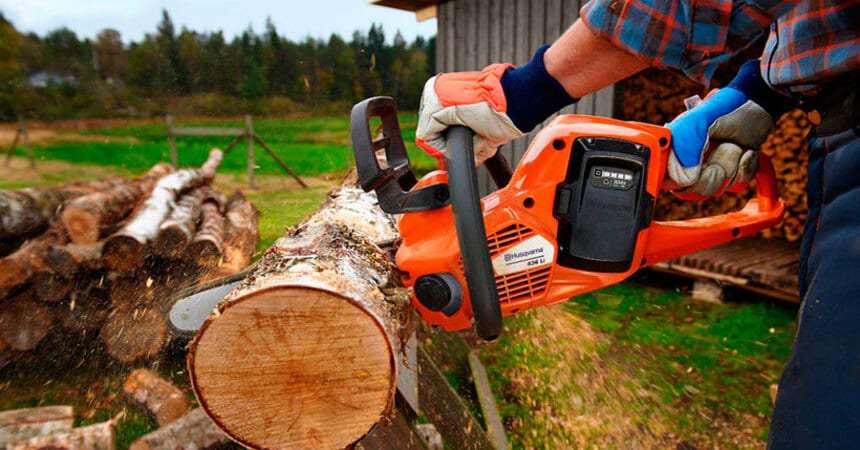
Two things surprise a manufacturer new to the system. The applicant must be a company registered inside the Union, so a foreign maker works through an importer or an authorised representative whose name then appears on the label. And a certificate means samples tested in an accredited Union laboratory plus, for serial production, a visit to the factory. A declaration can rest on your own test reports under scheme 1d, and that route can close in a week when the reports fit. The chainsaw case under this tag shows the arithmetic: splitting one product into a certificate and a declaration saved a round of testing.
The delays we see come from documents more often than from tests. TR CU 010 and TR CU 032 require a Justification of Safety, pressure equipment adds a strength calculation redone to GOST, and operating manuals must exist in Russian before the file is complete. The articles below go regulation by regulation: electrical safety, EMC, machinery, pressure, textiles, cosmetics, children’s goods, vehicles and fire safety. If you know the product and its HS code, send both and we will name the regulation, the form and the lab work in the same reply.
No articles match that.
Three conformity assessment forms, two of which apply to parts. Where responsibility sits in each, and what decides which one your product takes.
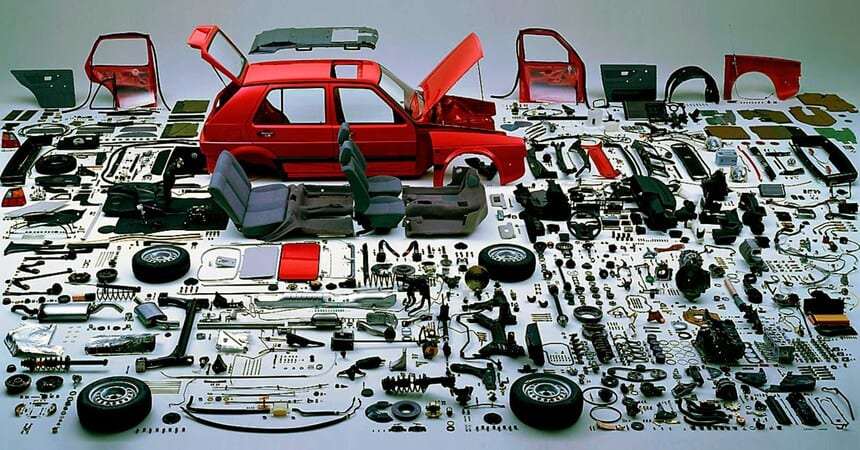
Scope across categories M, N and O, chassis and safety components; the requirements it sets; and who in the supply chain it binds.
Categories M, N and O, chassis, and safety-related components. Plus what modification triggers, and the three vehicle types excluded outright.
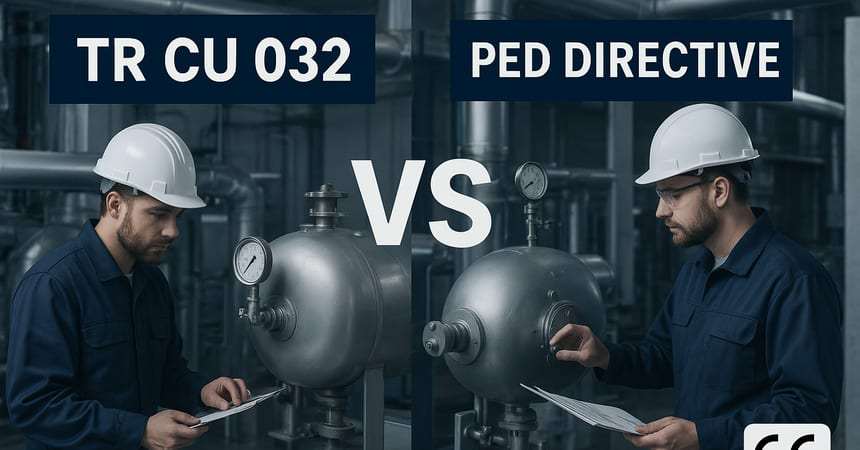
Both regulate pressure equipment safety, but one puts risk analysis on the manufacturer and the other prescribes the requirements. What that means in practice.
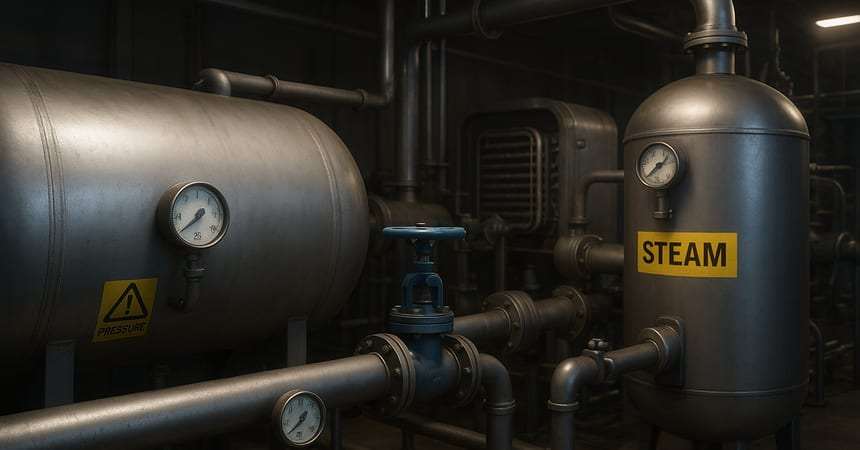
The 0.05 MPa threshold that makes equipment high-risk, the device types it captures, and why the purpose of the device has nothing to do with it.
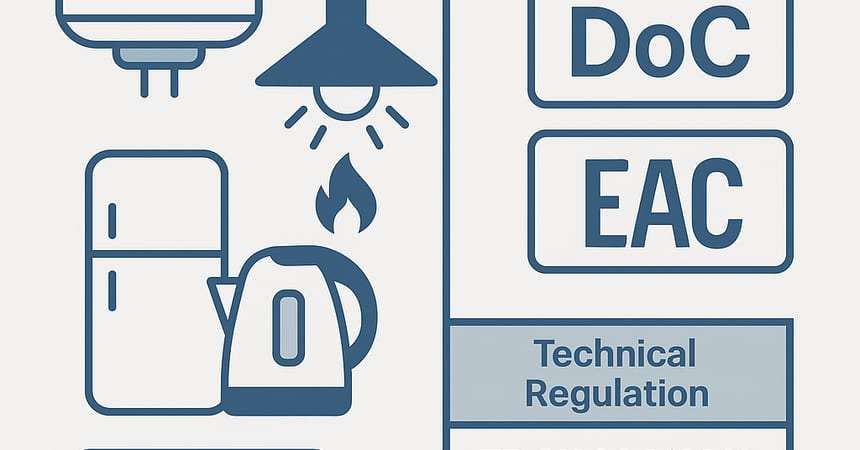
Which household products declare, which certify, and why an exemption letter is worth having at customs.
Fabric composition drives which tests apply, the label is the product's passport, and a lab discrepancy means no certificate, plus fines for false labelling.
How many samples, in what state, with what composition data and what labelling, the four preparation areas that decide whether testing passes first time.
What falls inside the EMC regulation, which products certify and which declare, the three certification schemes, and the two exclusions worth knowing.
A one-day audit and sampling visit to an Istanbul t-shirt factory: the five steps, what to confirm before travelling, and why ISO 9001 shortens it.
The strength calculation is a named document in TR CU 032. Which GOST standards govern it, why a foreign calculation is not accepted, and the language rule.
Skin contact decides the document. First-layer products certify, second and third layer declare, and the layer follows from intended use, not from the fabric.
The fourth electrical technical regulation of the EAEU. Which products declare, which certify, and why the 24-month transition period is not a holiday.
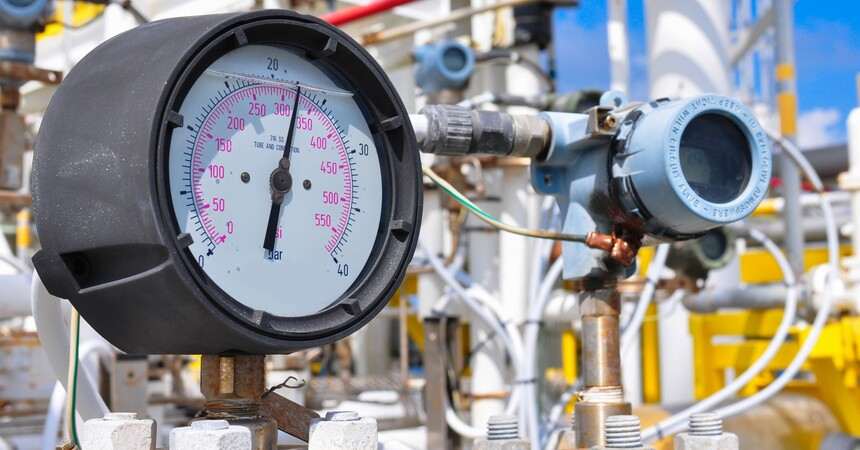
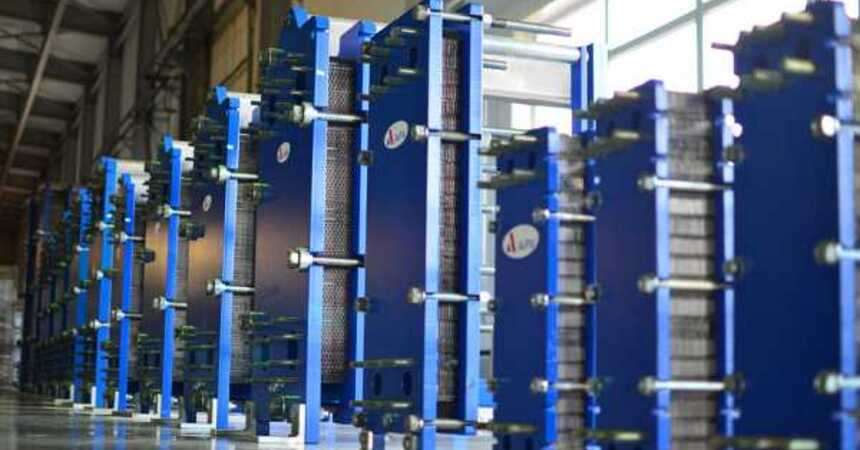
Heat exchangers fall under TR CU 010 always, and under TR CU 032 sometimes. What each route requires, and why tube side and shell side are assessed separately.
Three approval forms, three clothing layers and an age threshold that moves the answer. Which products certify, which declare, and what falls outside.
Which products need an SRC under three technical regulations plus the extra national list, who can apply, and why some categories take months rather than weeks.
Main and distribution pipelines are excluded from TR CU 032, and so are their parts. What that leaves, and why certification bodies disagree about pipes.
All 73 product positions under the EAEU machinery regulation, which take a certificate and which a declaration, plus the thirteen categories excluded outright.
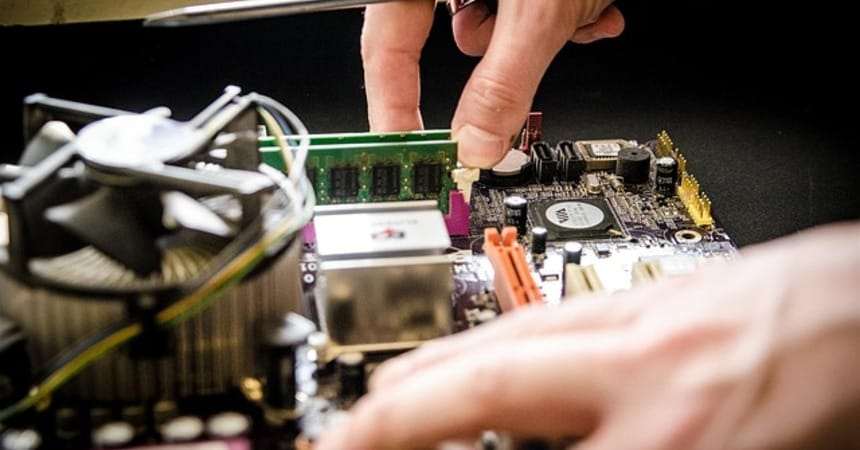
The four documents a PC may need for the Union, TR CU 004 and 020, RoHS, telecom and the encryption notification, plus how the 1c, 3c and 4c schemes differ.
Group 50 under TR CU 018, three HS codes to check first, and the radio-frequency and encryption approvals that attach at 119 to 135 kHz.
Hazardous or not, low voltage or high, synchronous or induction, three questions that decide whether a motor needs TR CU 012, 004, 020, or nothing at all.
Declaration or State Registration Certificate, which applies, the nine food technical regulations, mandatory label content, and how long the document lasts.
The certification and declaration schemes under TR EAEU 043/2017, the document package, validity terms, and the obligations that follow the certificate.
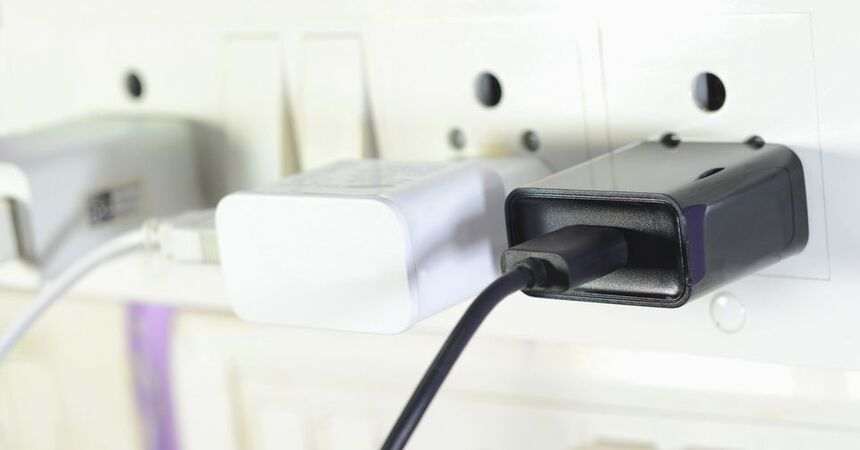
One certificate covers TR CU 004 and 020; RoHS goes on a separate declaration. The four steps, the annual inspection, and why RoHS testing takes a month.
Why a petrol chainsaw falls under TR CU 010 and TR CU 020 but not TR CU 004, and why splitting the approval into two documents saved a round of testing.
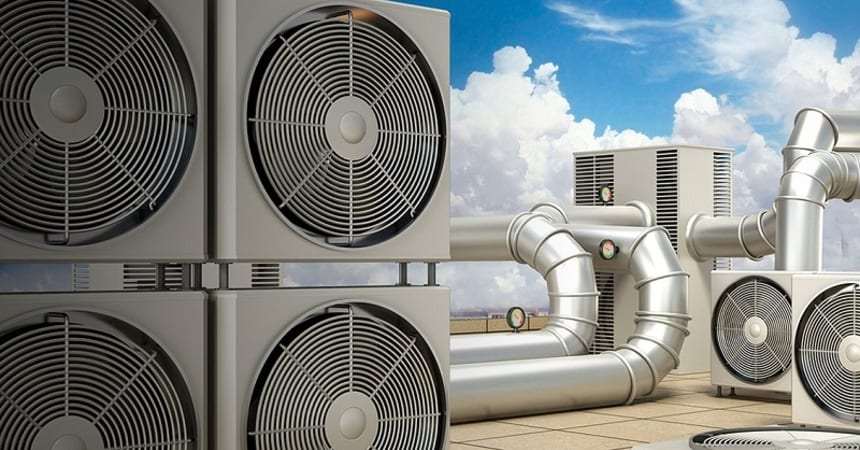
Household HVAC needs certificates under TR CU 004 and 020 plus a RoHS declaration. Industrial HVAC needs none of that, it declares under 004, 020 and 010.
A four-year certificate, mandatory local testing, part numbers written in full in the annex, and an annual inspection that re-tests the product.
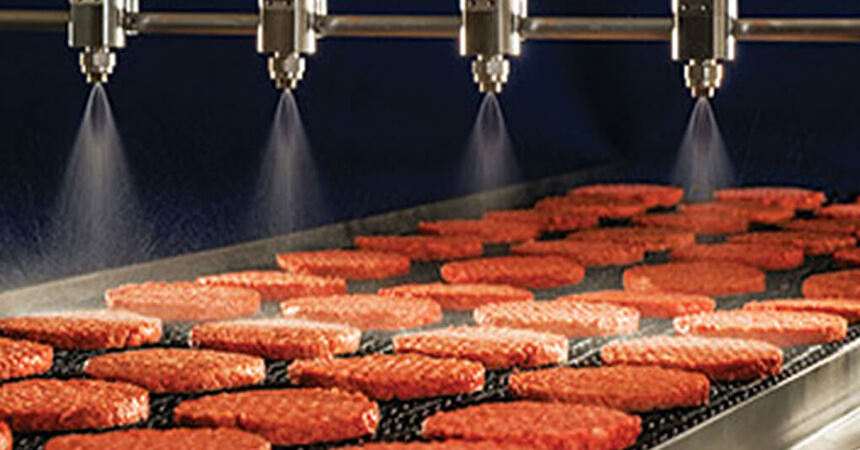
Food, meat, dairy and fish process equipment declares under TR CU 010, with TR CU 004 and 020 on top for low-voltage. Documents, schemes and label content.
EAC covers the whole Customs Union, but radio spectrum does not. Why wireless products need national approvals, and why the module is never the thing approved.
Which technical regulation applies to your textiles, the mandatory label fields under TR CU 017/2011 and 007/2011, and the extras by product type.
How TR CU 032/2013 sorts pressure vessels into categories 1 to 4, which category declares and which certifies, and the declaration and certification schemes.
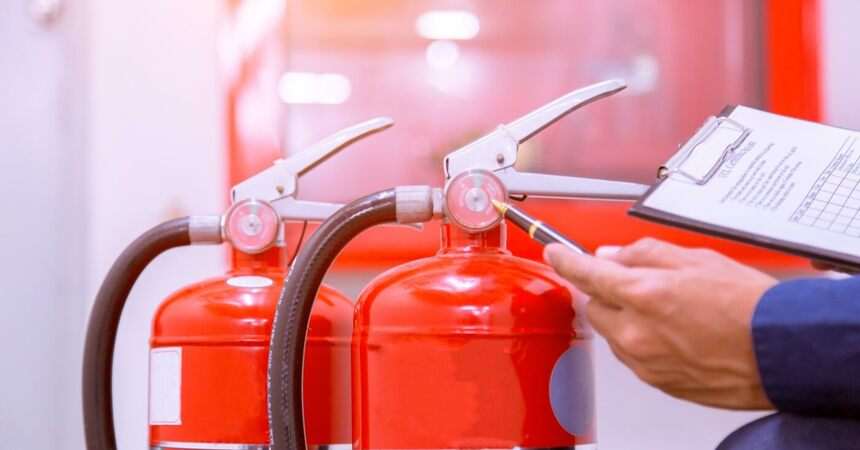
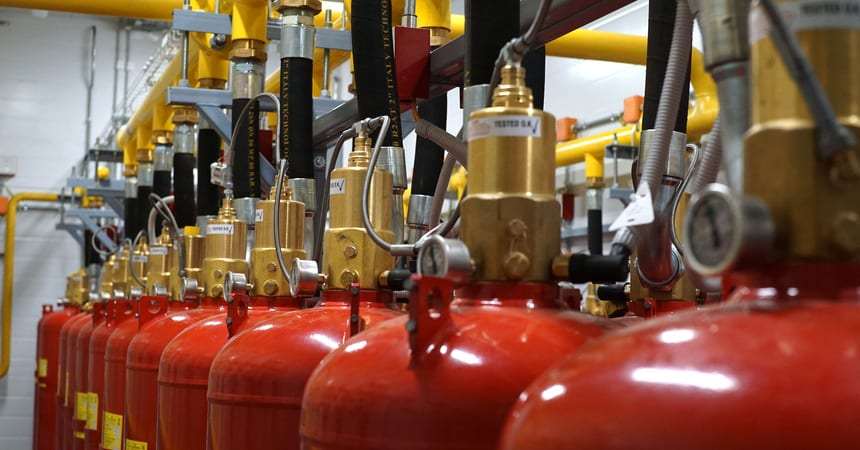
Why fire equipment certification needs dozens of samples, what a technical solution is, and which products almost always need one because no GOST exists.
Three technical regulations apply to lighting, certification runs on schemes 1c, 3c or 4c, and the test standards differ by fixture type.
A 5d factory test on polyol mixers at the installation site, what was checked beforehand, the three problems the expert found, and how each was resolved.
Adult clothing must be tested in the EAEU, one failed test fails the product, and a composition that does not match the declaration fails by construction.
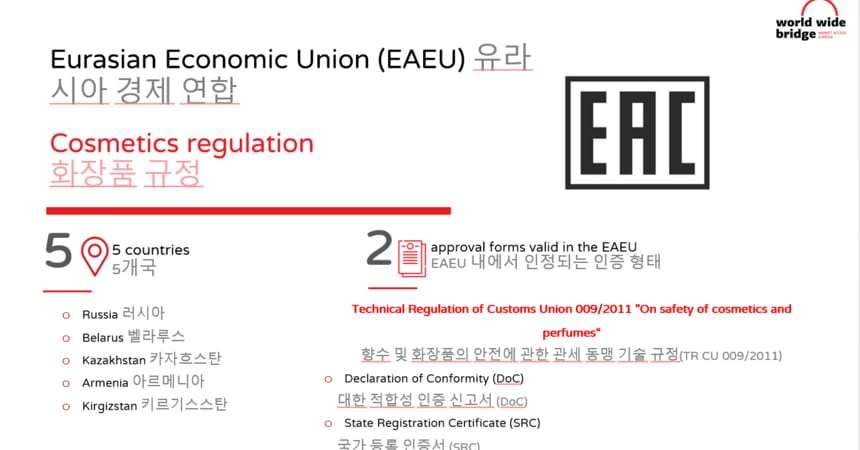
The ten-part agenda of a WWBridge webinar on entering the EAEU cosmetics market, approval forms, ingredient lists, and the safety indicators assessed.
What GOST 33855-2016 says a Justification of Safety must contain, when it has to be dated, and who writes it when the manufacturer will not.
Children's and educational furniture certifies; everything else declares. The two procedures, their lead times, and the furniture types outside the regulation.
The mandatory contents of an operating manual under each regulation, the language rule, and when an electronic-only manual is permitted.
Industrial pumps declare, household pumps certify, Ex pumps have one route only. The regulations that stack on top, plus a field-test case study.
All nineteen product groups under the EAEU fire safety regulation, how the approval form is decided, and why a foreign maker needs a local representative.
The five sections of a Justification of Safety, the two technical regulations that require it, who writes it, and when one document covers a whole family.
Every one of nineteen tractor components needs its own certificate before the tractor can be certified, and then the whole tractor is tested as well.
A recorded video conference in two stages, quality management system, then sampling. What the expert asks to see, and what the decision turns on.
What a technical passport contains, why CIS plants keep one per serial number, and the specific fields TR CU 032 adds for pipelines, boilers and vessels.
The TR CU 010 scheme that needs no site audit and no samples, when a batch qualifies for it, and the documents it rests on instead.
A declaration per product type under TR CU 009, plus state registration for listed categories. Why compositions in percentage decide the test report count.
A supply deal signed before certification, dresses for six-year-olds that failed hygroscopicity testing, and why synthetic content is the recurring cause.
What the nameplate on Ex equipment must carry under TR CU 012/2011, where it goes, how long it has to survive, and the optional fields worth adding.
The fifteen items a cosmetics label must carry in the Customs Union, including the two that only apply to specific product types.
When the 5d declaration scheme applies, why a hazardous facility changes the answer, and the five steps from enquiry to a registered declaration.
The invoice fields that keep samples under the customs threshold, the label every item needs, and why the courier choice can sink the registration.
TR CU 007 requires a site audit for children's clothing. What the expert checked in Foshan, in what order, and what the visit was actually assessing.
Six restricted substances, a declaration rather than a certificate, and three routes under scheme 1d that turn on which test reports you already hold.
How fire safety approvals moved from national rules to one EAEU regulation on 1 January 2020, and how long the old certificates stayed usable.
Scheme 1d rests on your own evidence, 3d on an accredited Customs Union lab. And the belief that foreign reports are barred is not in the text.
Thirteen device categories fall under the EAEU restricted substances regulation, from lighting and IT to vending machines, cash registers and sports equipment.
Yes. A certificate or declaration registered in any member state is valid in all five, and the register is shared. The exceptions sit outside the technical regulations: radio frequency conclusions, telecom approvals and encryption import licences are national, so a wireless product needs those in each destination country separately.
No. The applicant on a certificate or declaration has to be a legal entity registered in a member state. Most of our clients appoint an authorised representative, whose details go on the label and who carries the obligations that follow the document, including inspection control on serial certificates.
Three to eight weeks for a typical product, testing dependent. A declaration on existing reports can register in days; a certificate that needs a factory audit and lab scheduling runs to the top of the range. Documents in Russian are the usual cause when a project runs past it.
Send the product name, HS code and technical data. You get back the applicable route, the document list and a timeline, before any commitment.
Scoping is freeReply within one working day