EAEU RoHS: TR CU 037 Schemes and Lead Times
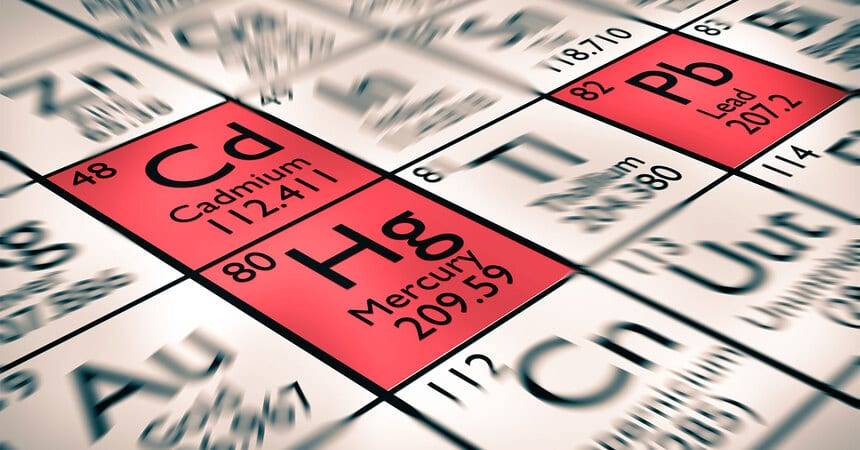
EAEU RoHS restricts six substances in electrical and radioelectronic products and is confirmed by declaration, valid across all five member states. Scheme 1d rests on test reports and can be done in a week; scheme 3d means local testing inside the Union and takes longer.
What does TR CU 037 restrict?
TR CU 037, On restriction of the use of hazardous substances in electrical and radioelectronic products, has applied since 1 March 2020. It restricts six materials:
- Lead
- Cadmium
- Mercury
- Hexavalent chromium
- Polybrominated biphenyl
- Polybrominated diphenyl ether
The approval document is a Declaration of Conformity, not a certificate, so there is no audit and no mandatory sampling.
Like other Customs Union documents it is valid across all five member states of the Union. Validity can be 1, 3 or 5 years, or a batch declaration covering a single delivery.
For the product categories the regulation reaches, see which products TR EAEU 037 covers.
Which schemes are available?
| Scheme | Basis |
|---|---|
| 1d | Existing test reports |
| 3d | Local testing inside the Union |
How does scheme 1d work?
1. Reports from a qualified voluntary laboratory. Lead time: about one week once all required documents are submitted.
2. European or manufacturer’s test reports issued to RoHS Directive 2002/95/EC. All reports must be submitted in the Union’s working language, so translation is part of the schedule. Lead time: about one week once translated reports are in.
3. Reports for the product parts that are subject to RoHS. Only available if the manufacturer can supply both a RoHS risk assessment and RoHS test reports for every part in scope. Lead time depends on the number of components and the volume of documents to evaluate.
Route 2 is the one that surprises manufacturers pleasantly. The substance list matches the European directive, so a company already selling into the EU usually holds most of what it needs, and the remaining work is translation rather than testing.
Route 3 is the opposite: it looks like a shortcut for a complex assembly and is often the slowest, because it multiplies the evidence to be assembled and reviewed.
Scheme 3d: local testing
The manufacturer provides samples for testing at an accredited laboratory inside the Union, which issues the declaration to TR CU 037 on positive results.
Lead time starts from one week once the required documents are submitted, the draft declaration is confirmed and the laboratory has received the samples. It can extend depending on the product type, the testing schedule the product needs, and the laboratory’s workload, so treat one week as a floor and not as an estimate.
Sources
- TR EAEU 037/2016, On restriction of the use of hazardous substances in electrical and electronic products, Eurasian Economic Commission
- Directive 2002/95/EC (RoHS), European Union, for the equivalence of substance limits
Frequently asked questions
Which substances does TR CU 037 restrict?
Six: lead, cadmium, mercury, hexavalent chromium, polybrominated biphenyl and polybrominated diphenyl ether. The list matches the European RoHS Directive, which is why existing European test reports have real value in this process.
Can European test reports be used?
Yes, under scheme 1d, including reports issued to RoHS Directive 2002/95/EC. They must be submitted in the Union's working language, so translation is part of the work, and once the translated reports are in, the lead time is about a week.
How long is the declaration valid?
The manufacturer can apply for 1, 3 or 5 years, or take a declaration for a batch covering a single delivery. Like other Customs Union documents, it is valid in all five member states of the Union.
Not sure which of these applies to your product? Send it and we will tell you
Related articles
EAC Approval for Power Adapters and Chargers
One certificate covers TR CU 004 and 020; RoHS goes on a separate declaration. The four steps, the annual inspection, and why RoHS testing takes a month.
TR EAEU 037/2016: Which Products RoHS Reaches
Thirteen device categories fall under the EAEU restricted substances regulation, from lighting and IT to vending machines, cash registers and sports equipment.
Certifying Water Heaters, Lighting and Appliances
Which household products declare, which certify, when a fire safety certificate is added, and why an exemption letter is worth having at customs.