Which Products Need RoHS, G-Mark or ECAS
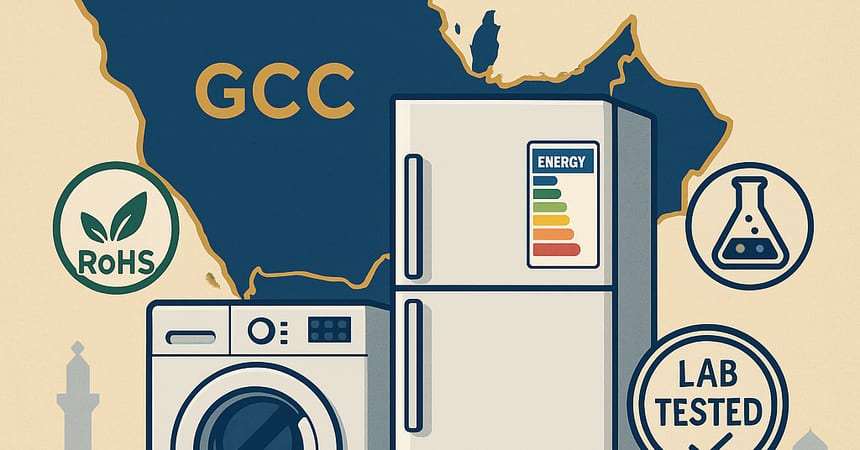
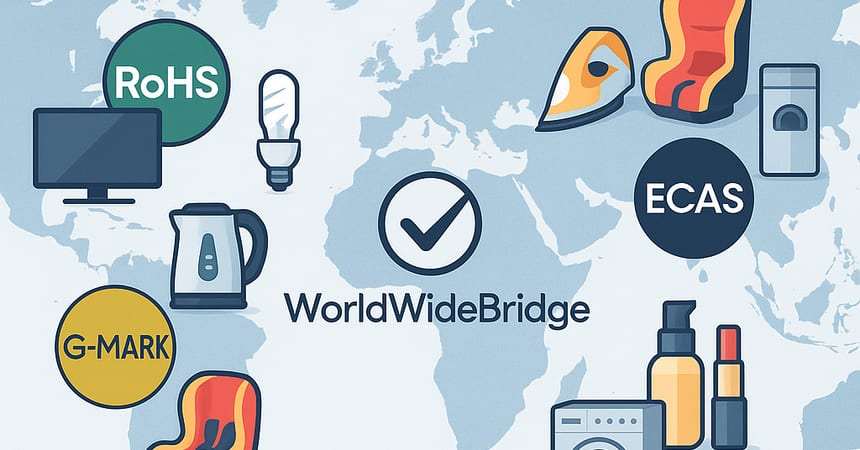
Three schemes covering the EU, the GCC and the UAE, with the product categories each captures, and when a high-risk product moves up to EQM.
The EU directive, the EAEU regulation and the Saudi SABER requirement restrict the same six substances. Which reports transfer between them and which do not.
RoHS began as a European directive and became a world standard through the electronics industry. Three regimes appear under this tag. In the EU it is one of the three directives behind the CE mark on lighting, appliances and IT, next to the Low Voltage and EMC directives. In the EAEU it is TR EAEU 037/2016, a declaration covering thirteen device categories since March 2020. In Saudi Arabia RoHS reports are what register a product on the SABER platform for its certificate of conformity, and they have to be issued to local requirements.
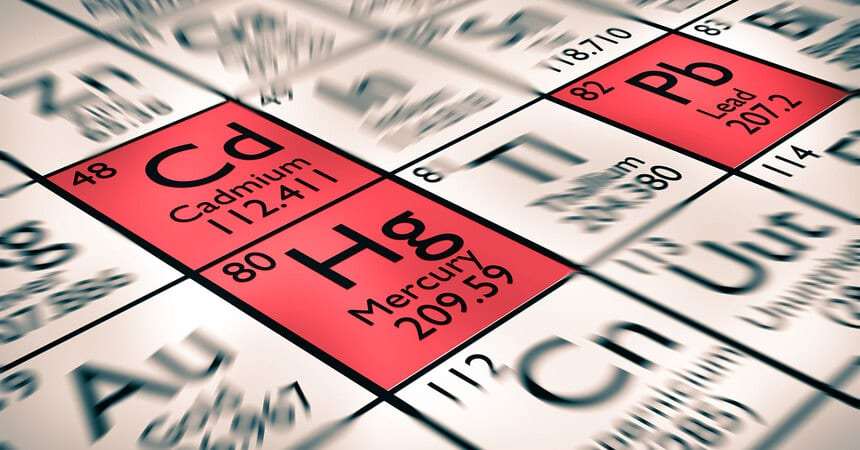
The six substances and their limits are the same across the three, so the question is always about reports and never about chemistry. A test report from an ISO/IEC 17025 laboratory covering the product as sold supports an EAEU declaration under scheme 1d, and the NAS case under this tag obtained ECAS RoHS in the UAE with no hardware submitted because the protocols already existed. What does not transfer is a supplier statement with no laboratory report behind it, or a report for an earlier revision of the board.
The articles below cover the EAEU schemes and lead times, the product categories that RoHS, G-Mark and ECAS capture, Saudi test reports, adapters, lighting and the UAE case. Send the bill of materials and the reports you hold, and we will say which markets they already cover.
No articles match that.
Three schemes covering the EU, the GCC and the UAE, with the product categories each captures, and when a high-risk product moves up to EQM.
Safety to IEC and ISO, mandatory energy labelling, RoHS and recycling rules, local laboratory testing, and documentation in English and Arabic.
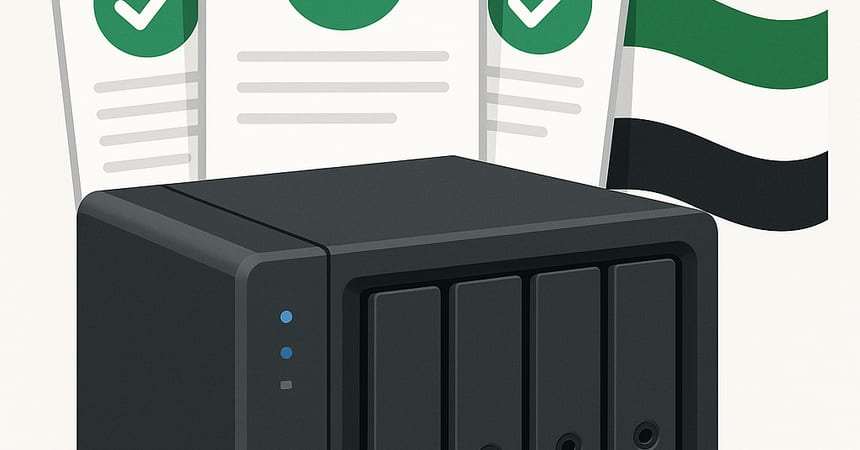
Three mandatory approvals for a network storage device, obtained in under five weeks with no hardware submitted. The documents, timings and fees.
RoHS reports for Saudi Arabia must meet local requirements and feed the SABER platform. The four-step route from finding a laboratory to registration.
Every LED light sold in the EEA must carry the CE mark, including products made elsewhere. The three directives that apply and the order the work goes in.
CE marking for lighting rests on three directives at once. Which standards apply per luminaire type, and which apply to every one of them.
The four documents a PC may need for the Union, TR CU 004 and 020, RoHS, telecom and the encryption notification, plus how the 1c, 3c and 4c schemes differ.
One certificate covers TR CU 004 and 020; RoHS goes on a separate declaration. The four steps, the annual inspection, and why RoHS testing takes a month.
Six restricted substances, a declaration rather than a certificate, and three routes under scheme 1d that turn on which test reports you already hold.
Thirteen device categories fall under the EAEU restricted substances regulation, from lighting and IT to vending machines, cash registers and sports equipment.
Often the same laboratory work serves all three, because the substances and limits match. The EAEU declaration under scheme 1d and the UAE ECAS RoHS accept a fitting ISO/IEC 17025 report; SABER wants the report issued to Saudi requirements, and in most cases the same laboratory re-issues its report without re-testing.
Thirteen categories under TR EAEU 037/2016: household appliances, IT and telecom, lighting, power tools, toys and sports equipment, vending machines, cash registers and more. The limits apply to the six substances known from the EU directive, and conformity is by declaration.
Send the product name, HS code and technical data. You get back the applicable route, the document list and a timeline, before any commitment.
Scoping is freeReply within one working day