Vending Machine Certification in South Africa: A Case
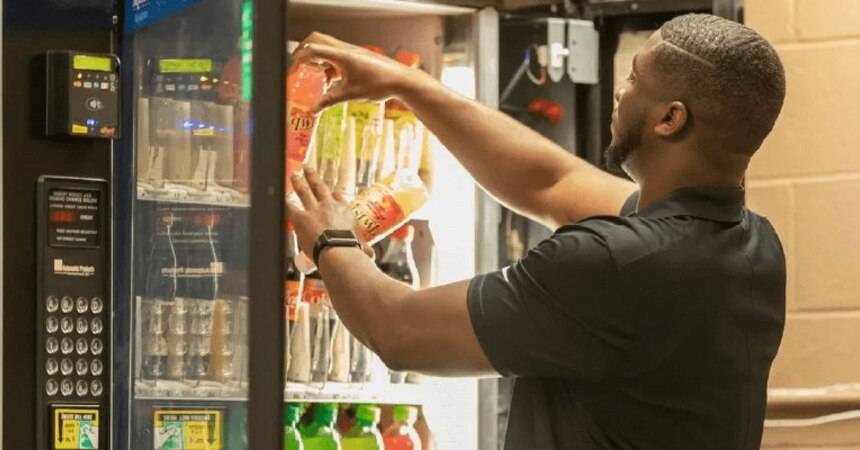
A European vending machine maker entering South Africa needs two mandatory approvals and can choose a third. ICASA covers the radio and wireless side, NRCS covers safety, hygiene and quality, and SABS is voluntary but useful where buyers weigh certification as evidence of quality.
The project
A European vending machine manufacturer approached us to certify its product for the South African market.
The first stage was a thorough analysis of the applicable regulatory requirements, the safety standards, the electrical compatibility requirements, and the other regulatory obligations that attach to a machine of this kind. That analysis is what determines whether the project is two approvals or three, and it comes before any testing decision.
Which approvals does a vending machine need in South Africa?
| Body | Covers | Status |
|---|---|---|
| ICASA | Radio frequencies and wireless networks: EMC, RF safety | Mandatory |
| NRCS | Safety, hygiene and quality standards | Mandatory |
| SABS | National and international quality and safety standards | Voluntary |
ICASA
The Independent Communications Authority of South Africa. Certification is mandatory for all telecommunication devices that use radio frequencies or wireless networks, and a vending machine with cashless payment, telemetry or remote stock monitoring is exactly that.
The certificate confirms compliance with ICASA’s requirements on electromagnetic compatibility, radio frequency safety and related aspects. Without it, the machines cannot legally use the spectrum they were designed to use.
NRCS
The National Regulator for Compulsory Specifications. Certification confirms the equipment meets the regulatory requirements and the safety, hygiene and quality standards NRCS sets.
Hygiene matters here in a way it does not for most electrical equipment: a vending machine dispenses food and drink, so it is assessed as something people consume from rather than only as a powered appliance.
SABS
The South African Bureau of Standards. Not mandatory for vending machines, but the certificate confirms compliance with national and international quality and safety standards.
Its value is commercial, since the regulator does not ask for it. It can establish additional trust with consumers and the market, and it is an advantage when a buyer is comparing suppliers on demonstrable quality. Whether to pursue it is a decision to take per client and per market position.
Were new tests needed?
There was no testing on this project. The client already held the necessary test reports and provided all the required documents and results.
It is the exception that shows what matters: existing test reports have real value if they were produced against standards the receiving regulator accepts. Where reports are missing or unsuitable, testing has to be arranged through accredited laboratories, which is the longest and most expensive part of a project like this.
Sources
- ICASA, Independent Communications Authority of South Africa, type approval requirements
- NRCS, National Regulator for Compulsory Specifications, compulsory specifications
- SABS, South African Bureau of Standards, product certification scheme
Frequently asked questions
Which approvals are mandatory for a vending machine in South Africa?
Two. ICASA, the Independent Communications Authority of South Africa, is mandatory for any device using radio frequencies or wireless networks, which includes most modern vending machines. NRCS, the National Regulator for Compulsory Specifications, covers safety, hygiene and quality requirements.
What does SABS add if it is not required?
SABS certification confirms the equipment meets national and international quality and safety standards. It is not mandatory for vending machines, but it builds additional trust with consumers and the market, and can be an advantage when a buyer is weighing suppliers on demonstrable quality.
Are new tests always needed?
Not necessarily. In this case the client already held the required test reports and supplied all the documents and results, so there was no testing. Where reports are missing, testing can be arranged through accredited laboratories, but existing reports, if they were produced to the right standards, do real work.
Not sure which of these applies to your product? Send it and we will tell you
Related articles
Cosmetics Certification for the UAE and Saudi Arabia
ECAS certificates and Dubai Municipality Montaji registration in a week, GHAD registration and an SFDA shipment certificate in a month, with no samples.
NAS Certification in the UAE: TDRA, ECAS LVE and RoHS
Three mandatory approvals for a network storage device, obtained in under five weeks with no hardware submitted. The documents, timings and fees.
Two Certification Cases: Appliances and Baby Food
Finding suppliers willing to commit, coordinating ten engineers, and persuading a client that international testing is worth it. What actually unblocked each.