Certifying Products for UAE and Saudi Marketplaces

Listing on Amazon.ae, Noon and the Saudi marketplaces requires certification from ESMA in the UAE and SASO in Saudi Arabia, with halal and G-Mark on top for the categories that need them. Registration in the government systems comes before registration on the platform.
Which certifications apply in the UAE and Saudi Arabia?
| Scheme | Country | Covers |
|---|---|---|
| ESMA | UAE | Electronics, home appliances, cosmetics, food, children’s products |
| SASO IECEE | Saudi Arabia | Electronics and electrical goods |
| SASO SALEEM (SABER) | Saudi Arabia | Conformity assessment for most imported goods |
| Halal | Both | Food, cosmetics, pharmaceuticals for the Muslim market |
| G-Mark | GCC | Children’s products, electrical items, certain household appliances |
Most products need more than one of these. A children’s electrical toy sold in both countries touches four.
The seven steps
- Regulatory assessment, determine the standards for the specific product category.
- Choose an accredited certification body, approved laboratories and agencies only.
- Product testing, laboratory tests for safety and compliance.
- Obtain certification, the official documents, after successful testing.
- Register in the government systems, upload product details to SABER and the ESMA databases.
- Prepare labelling and packaging, compliant with local language and regulatory requirements.
- Register products on the marketplaces, providing the certification documents.
Step 5 before step 7 is the part sellers reverse. The platform listing is the last step, not the first: it depends on registrations that take weeks to obtain.
Saudi Arabia: why two certificates?
SABER is the electronic platform; SALEEM is the product safety programme it serves. Every imported product is registered through it, regulated or not, and regulated goods pass through two distinct stages:
| Certificate | Covers | Validity | Tied to |
|---|---|---|---|
| PCoC, Product Certificate of Conformity | The product | One year | The Saudi importer of record |
| SCoC, Shipment Certificate of Conformity | One consignment | That shipment | The PCoCs behind it |
Two features of the PCoC catch exporters out. It is importer-specific, so it is issued in the name of your Saudi importer of record and does not follow the goods if you change distributor, a new importer means a new PCoC. And it expires annually regardless of production, so a range shipped in month eleven needs renewal booked before the next order.
The SCoC is issued against valid PCoCs for everything in the consignment. One unregistered line item holds the whole shipment, which is why the registration list should be reconciled against the packing list rather than the catalogue.
UAE: the authority changed name, the schemes did not
Material written before 2020 refers to ESMA as the federal standards body. ESMA was folded into the Ministry of Industry and Advanced Technology (MOIAT), and the schemes now sit there. The names you will meet on paperwork:
- ECAS, Emirates Conformity Assessment Scheme. The mandatory route for regulated products, imported and locally made alike.
- EQM, Emirates Quality Mark. A quality mark, voluntary for most categories but mandatory for some, bottled and mineral water, most juices and beverages and certain dairy among them.
Treating EQM as optional across the board is the error to avoid: for a drinks range it is mandatory.
What do the marketplaces check?
- Valid certification documents confirming compliance, Amazon.ae and Noon both require them.
- Arabic-language information on packaging and labelling.
- For food: ingredient lists, nutritional information, and halal certification.
Sources
- MOIAT, Ministry of Industry and Advanced Technology, UAE; ECAS and EQM schemes (ESMA merged into MOIAT in 2020)
- SASO, Saudi Standards, Metrology and Quality Organization; SALEEM programme and the SABER platform
- SASO technical regulations for electrical and electronic products, safety, EMC, energy efficiency and RoHS
- GSO, GCC Standardization Organization, G-Mark scheme
Frequently asked questions
Which certifications apply in each country?
ESMA in the UAE covers electronics, home appliances, cosmetics, food and children's products. Saudi Arabia uses SASO IECEE for electronics and electrical goods and SASO SALEEM (SABER) as the conformity assessment system for most imported goods. Halal is mandatory for food, cosmetics and pharmaceuticals, and G-Mark applies to children's products, electrical items and some household appliances.
What does the process involve?
Seven steps: regulatory assessment, choosing an accredited certification body, product testing, obtaining certification, registration in the government systems, SABER and the ESMA databases, preparing labelling and packaging, and finally registering the products on the marketplaces.
What is the difference between a PCoC and an SCoC?
The Product Certificate of Conformity covers the product itself, is issued for one year, and is tied to the Saudi importer of record, change importer and it does not travel. The Shipment Certificate of Conformity covers one consignment and is issued against valid PCoCs for everything in it. A shipment without both is not cleared.
What do marketplaces check?
Valid certification documents confirming compliance, and packaging and labelling carrying Arabic-language information. Food products additionally need ingredient lists, nutritional information and halal certification.
Not sure which of these applies to your product? Send it and we will tell you
Related articles
Electrical Equipment Compliance Across the Gulf and MENA
MOIAT, SABER, G-Mark and ESMA are separate schemes with one shared goal. Which products need approval, what the labs test, and what goes in the technical file.
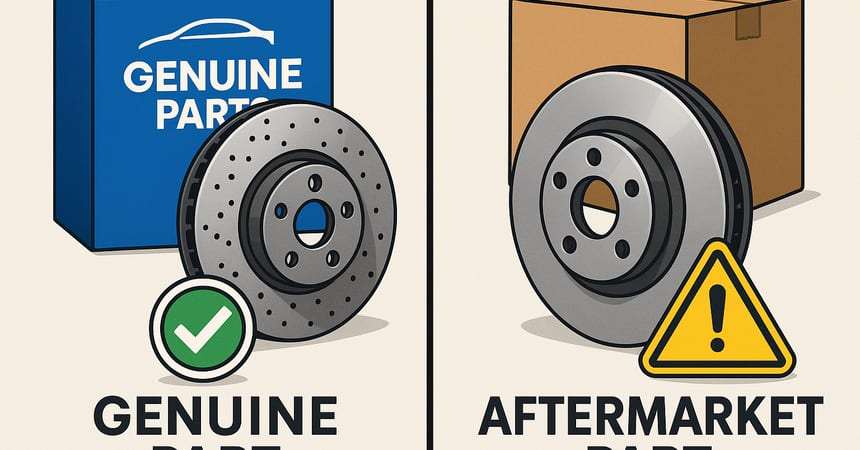
Genuine vs Aftermarket Parts in the SABER System
Genuine parts usually take a declaration; aftermarket parts take full testing per product code. Getting the classification wrong costs months, not days.
Selling Uncertified Products on Noon or Amazon.ae
Opening a store is easy; UAE product compliance law still applies. Which categories need certification, what happens without it, and the limited exceptions.