Business Licensing in Saudi Arabia: Types and Authorities
Which Saudi licence your activity needs, which authority issues it, what foreign investors must submit, and how long each route actually takes.

SASO, SABER, SFDA and the licensing behind them. Which system each product registers in, what a shipment certificate is, and where classification costs months.
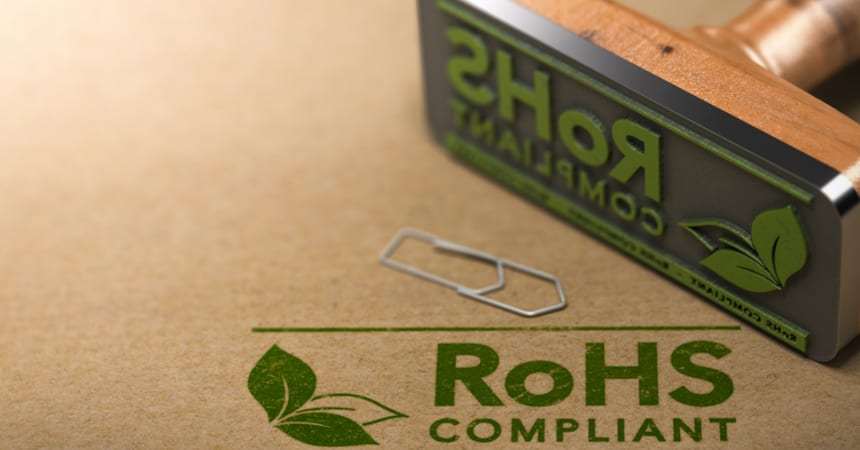
Saudi Arabia runs product conformity through SASO and its SABER platform. A product is registered for a product certificate of conformity, the PCoC, and each consignment then receives a shipment certificate, the SCoC, before customs releases it. Food, cosmetics, supplements and health products go through the SFDA, which issues its own shipment certification and registers cosmetics in the GHAD system. Restricted-substance reports feed SABER for electrical goods, and they have to be issued to Saudi requirements. Energy labelling and the SASO label sit on top for appliances.
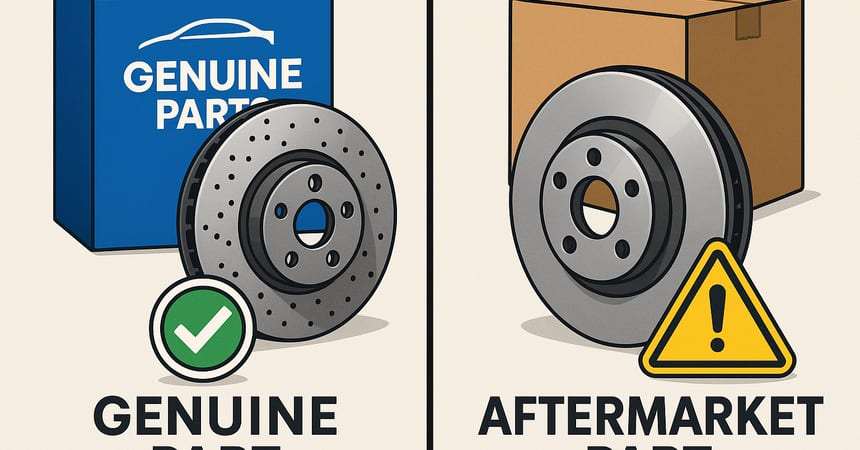
Classification decides the timeline. In SABER genuine auto parts take confirmation of origin and in most cases a declaration, while aftermarket parts take full testing with every product code registered, and getting that wrong costs months. The marketplace article under this tag runs through the seven-step route and the Arabic labelling that Amazon and Noon check before listing. And a company operating inside the Kingdom instead of exporting to it needs an investment licence from MISA plus a commercial registration, two to four weeks for straight commercial activity and one to three months where a sector permit applies.
A first PCoC runs two to six weeks; an SCoC issues in days once the product certificate exists. The articles below cover SABER for parts, RoHS reports for SABER, marketplaces, Gulf cosmetics with SFDA and GHAD, business licensing, and electrical compliance across MENA. Send the product, its HS code and whether it is a one-off or a series, and we will name the system and the certificate.
No articles match that.
Which Saudi licence your activity needs, which authority issues it, what foreign investors must submit, and how long each route actually takes.
ECAS certificates and Dubai Municipality Montaji registration in a week, GHAD registration and an SFDA shipment certificate in a month, with no samples.
Genuine parts usually take a declaration; aftermarket parts take full testing per product code. Getting the classification wrong costs months, not days.
MOIAT, SABER, G-Mark and ESMA are separate schemes with one shared goal. Which products need approval, what the labs test, and what goes in the technical file.
ESMA, SASO IECEE, SABER, halal and G-Mark, which applies, the seven-step process, and the Arabic labelling marketplaces check before listing.
RoHS reports for Saudi Arabia must meet local requirements and feed the SABER platform. The four-step route from finding a laboratory to registration.
The PCoC is the product certificate on SABER, issued once per product on the test reports and valid for a year. The SCoC is the shipment certificate, issued per consignment against the PCoC and required for customs release. Without a PCoC there is no SCoC, so the product registration comes first.
No. Genuine parts need confirmation of official origin and in most cases a declaration of conformity. Aftermarket parts need full testing in accredited laboratories with every product code registered. Misclassifying a part is the error that turns a weeks-long project into a months-long one.
Send the product name, HS code and technical data. You get back the applicable route, the document list and a timeline, before any commitment.
Scoping is freeReply within one working day