EAC Certification of Heat Exchangers for the EAEU
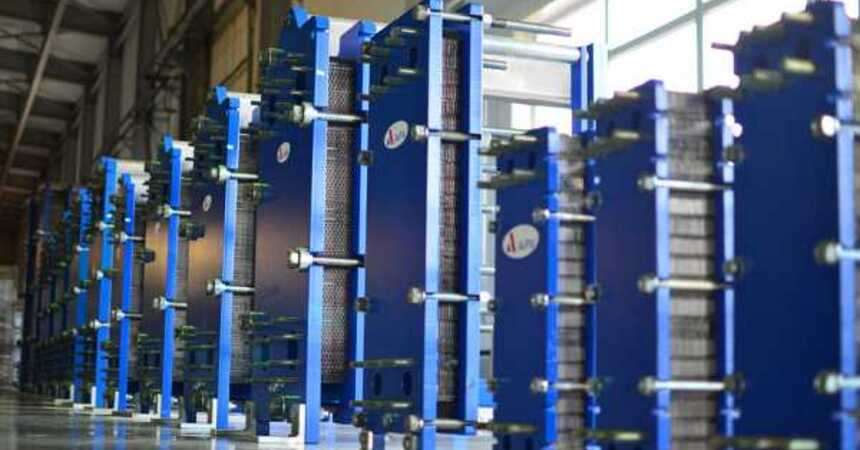
Heat exchangers fall under TR CU 010 always, and under TR CU 032 sometimes. What each route requires, and why tube side and shell side are assessed separately.

The EAEU machinery regulation. Which of its 73 positions certify and which declare, the 5d and 9c schemes, and the Justification of Safety it demands.
TR CU 010/2011 is the Union’s counterpart to the Machinery Directive, and the articles here work through it position by position. Its list runs to 73 product positions. The first 14 take a certificate of conformity; from position 15 onward most can take either a declaration or a certificate, decided by the product and its HS code. Reading the list needs both the product name and the code, because neither settles it alone. Thirteen categories are excluded outright. Industrial pumps declare, household pumps certify, and an explosion-proof pump leaves this regulation for TR CU 012, which has no declaration route.
Where the equipment is going matters as much as what it is. Equipment bound for a hazardous industrial facility, a chemical plant say, takes scheme 5d: an expert from an accredited body visits the site, watches the machine run, tests it against the manufacturer’s own methodology and issues a Type Certificate, and only then can the declaration be registered. The site test under this tag shows what that day looks like, including the three problems that surfaced after four checks beforehand. For a batch too large to ship samples of, a tower crane for one named site, scheme 9c removes both the audit and the samples and rests on the manufacturer’s documents.
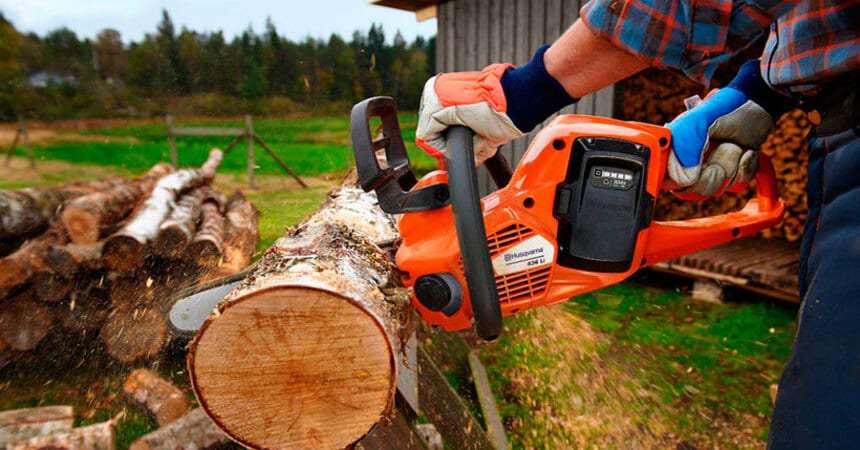
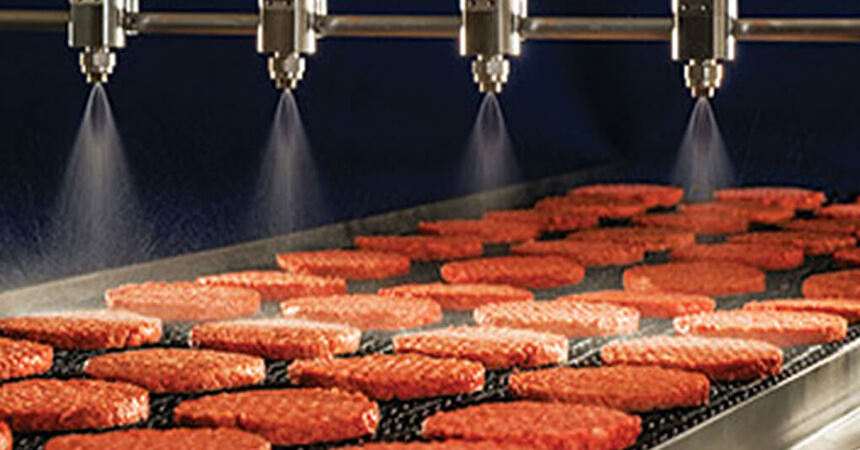
Two documents drive the calendar. The Justification of Safety is required by this regulation and by TR CU 032 and by no other, it runs to five sections, and it is written by the manufacturer in Russian regardless of country. The operating manual has its own mandatory contents. Low-voltage machinery also picks up TR CU 004 and TR CU 020, so a chainsaw or a food processing line can end up with two or three documents. The articles below cover the scope list, the schemes, tractors, cranes, motors and heat exchangers. Tell us the machine and the destination site and we will name the scheme.
No articles match that.
Heat exchangers fall under TR CU 010 always, and under TR CU 032 sometimes. What each route requires, and why tube side and shell side are assessed separately.
All 73 product positions under the EAEU machinery regulation, which take a certificate and which a declaration, plus the thirteen categories excluded outright.
Why a petrol chainsaw falls under TR CU 010 and TR CU 020 but not TR CU 004, and why splitting the approval into two documents saved a round of testing.
Food, meat, dairy and fish process equipment declares under TR CU 010, with TR CU 004 and 020 on top for low-voltage. Documents, schemes and label content.
A 5d factory test on polyol mixers at the installation site, what was checked beforehand, the three problems the expert found, and how each was resolved.
What GOST 33855-2016 says a Justification of Safety must contain, when it has to be dated, and who writes it when the manufacturer will not.
Industrial pumps declare, household pumps certify, Ex pumps have one route only. The regulations that stack on top, plus a field-test case study.
The five sections of a Justification of Safety, the two technical regulations that require it, who writes it, and when one document covers a whole family.
The TR CU 010 scheme that needs no site audit and no samples, when a batch qualifies for it, and the documents it rests on instead.
When the 5d declaration scheme applies, why a hazardous facility changes the answer, and the five steps from enquiry to a registered declaration.
No. Declarations under 1d and 3d rest on test reports. Certification on scheme 1c and the 5d declaration for hazardous facilities include a visit. Scheme 9c, for a limited batch delivered to one site, needs neither an audit nor samples. The product list and the destination decide which of these applies to you.
The manufacturer, in Russian, dated inside the design phase. If the manufacturer will not produce it the importer must, and a certification body will not register a declaration without it. One document can cover a product family with the same design and risks.
Almost always. Anything with a low-voltage supply also falls under TR CU 004 and TR CU 020, and a combined certificate can cover them. The chainsaw article under this tag shows why splitting the approval into a certificate plus a declaration can save a round of testing.
Send the product name, HS code and technical data. You get back the applicable route, the document list and a timeline, before any commitment.
Scoping is freeReply within one working day