New Distributor: Who Holds Your Anvisa Cosmetic Registration?
Changing your Brazilian distributor? Xenia explains when an Anvisa cosmetic registration can move, the 180-day filing window and what to agree before signing.

EAEU, Brazil, the UAE and Saudi Arabia in one place. Why the claim on the pack sets the procedure, and why the registration holder is the decision that matters.
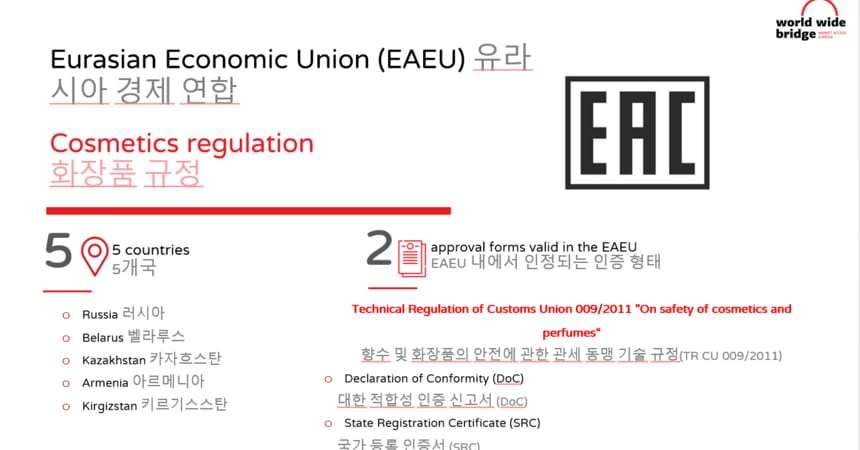
Cosmetics is the product group where the claim on the packaging decides the procedure. In the EAEU a product without pharmaceutical effect is declared under TR CU 009/2011, one declaration per product type, and the listed categories add state registration, so a sentence promising lightening or protection moves the same formula into a second procedure. In Brazil ANVISA runs a notification for most products and a months-long registration for listed Grade 2 categories. In the UAE cosmetics go through ECAS and Dubai Municipality’s Montaji system; in Saudi Arabia through the SFDA’s GHAD registration.
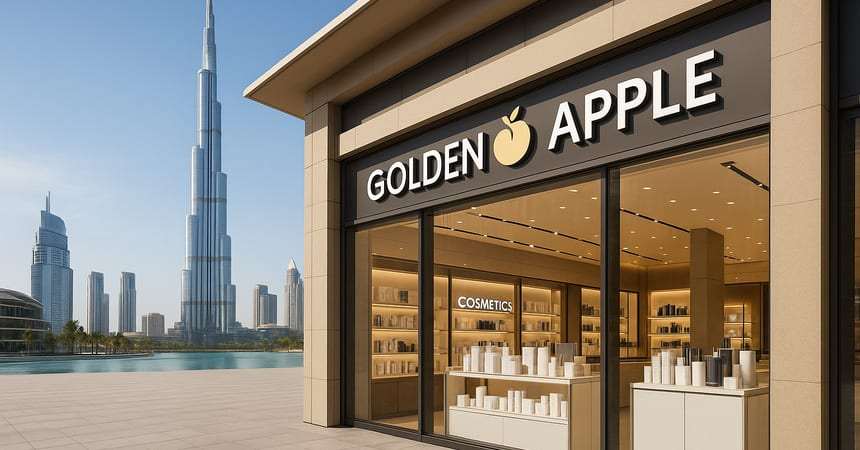
Almost every market gives the approval to a holder who is resident there, and the holder is the decision we spend the most time on. The EAEU requires an applicant inside the Union whose name goes on the label. Brazil requires a Representante Legal. The UAE requires a company with a cosmetics trade licence, and Golden Apple in Dubai will not list a brand without one plus stock in country. Saudi Arabia registers through a local representative. Registering through the wrong company is the expensive mistake, because the registration stays attached to that company.
A formula cleared in Europe is not cleared anywhere here; it is checked again against the EAEU substance lists, ANVISA’s limits and GSO 1943 for the Gulf. When the existing reports fitted, the Gulf case under this tag obtained ECAS certificates and Montaji registration in about a week and both Gulf markets in about a month, with no samples. The articles below cover each route. Send the ingredient list with percentages and the claims, and we will map the procedures.
No articles match that.
Changing your Brazilian distributor? Xenia explains when an Anvisa cosmetic registration can move, the 180-day filing window and what to agree before signing.
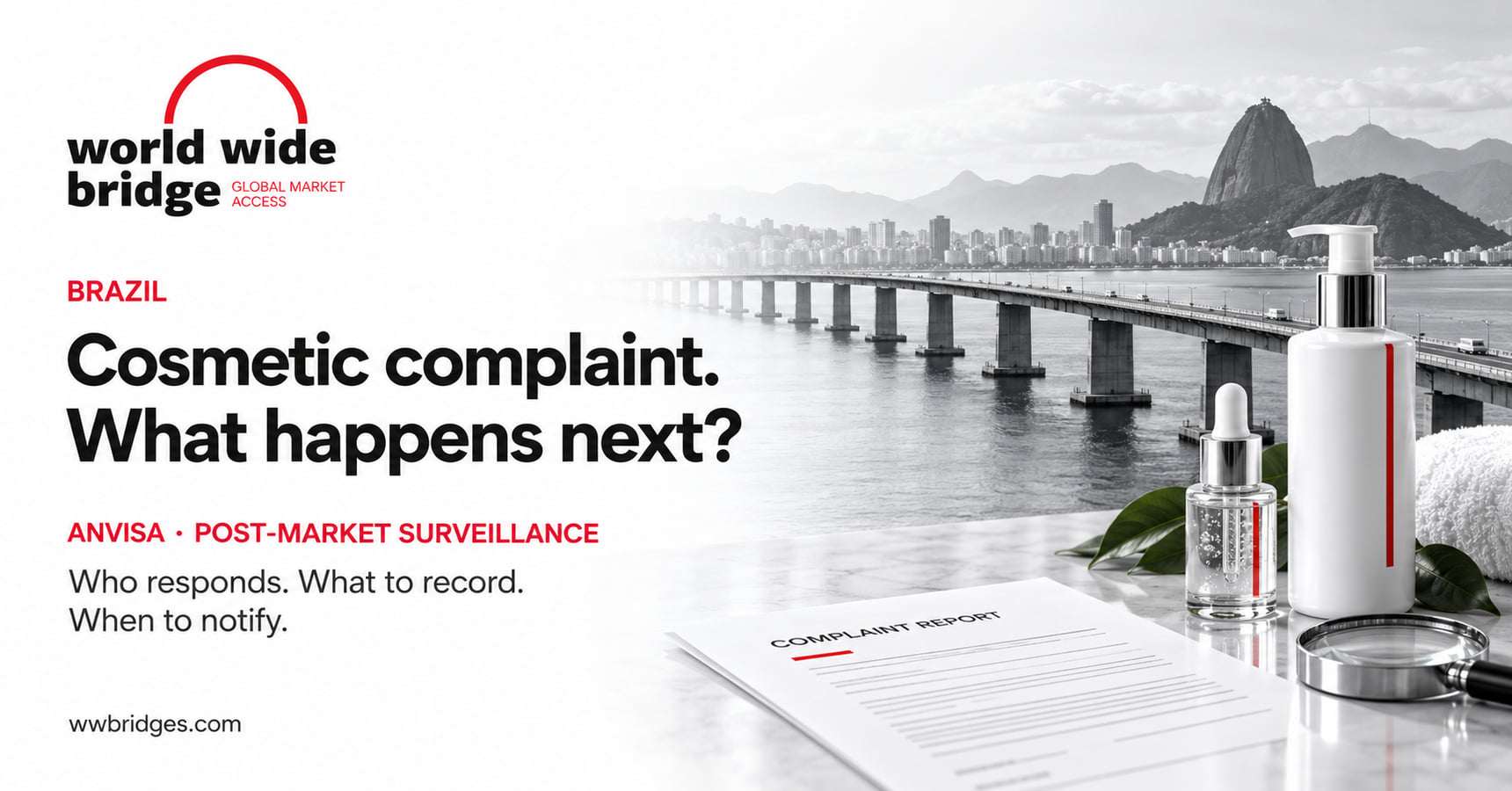
What Anvisa's RDC 894/2024 asks of a cosmetic brand when a consumer in Brazil complains: who answers, the 20-day and 15-day deadlines, records and recalls.
INMETRO handles equipment and machinery, ANVISA handles cosmetics and health products. Different stages, different validity, and one shared prerequisite.
Four sectors where halal now matters in Morocco, the requirements for food and for cosmetics and pharmaceuticals, and how IMANOR treats foreign certificates.
Dubai Municipality registration, a trade licence, physical stock in country and ongoing compliance, the four things a listing requires before the first sale.
Check the HS code, register the trademark, get a Cypher ID under GACC Decrees 248 and 249, and produce the Chinese counter-label. In that order.
Which products need it, which certification bodies the GCC actually recognises, and the audit and laboratory stages between application and certificate.
What ANVISA requires before a cosmetic can be sold in Brazil: the four document sets, the three tests, Portuguese labelling rules and the ingredient limits.
The ten-part agenda of a WWBridge webinar on entering the EAEU cosmetics market, approval forms, ingredient lists, and the safety indicators assessed.
A declaration per product type under TR CU 009, plus state registration for listed categories. Why compositions in percentage decide the test report count.
The fifteen items a cosmetics label must carry in the Customs Union, including the two that only apply to specific product types.
In none of these markets. The EAEU needs an applicant inside the Union, Brazil a Representante Legal, the UAE a company with the right trade licence, Saudi Arabia a local representative in GHAD. Decide which company will hold the registration before the first filing; moving one later is slower than filing it right.
Not always. ECAS and SFDA shipment certification accept existing test reports when they fit the product as sold, and the case under this tag ran with no samples. What is always re-checked is the formulation against GSO 1943, which excludes substances such as hydroquinone and lead that some markets still allow.
Send the product name, HS code and technical data. You get back the applicable route, the document list and a timeline, before any commitment.
Scoping is freeReply within one working day