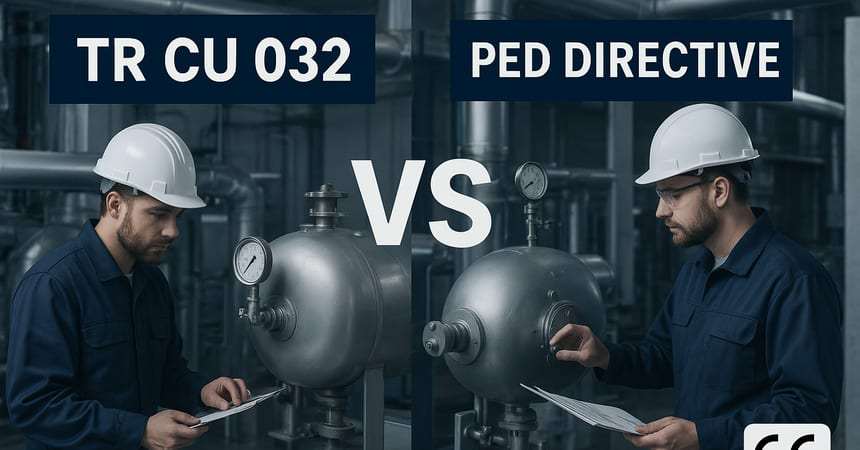
TR CU 032 vs the PED Directive: Two Philosophies
Both regulate pressure equipment safety, but one puts risk analysis on the manufacturer and the other prescribes the requirements. What that means in practice.

Vessels, boilers, pipelines and fittings above 0.05 MPa. How four hazard categories decide certificate or declaration, and the documents the regulation names.
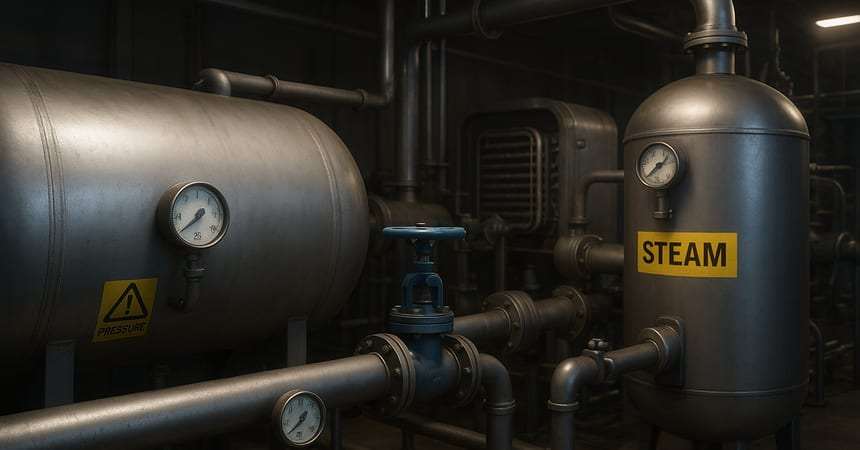
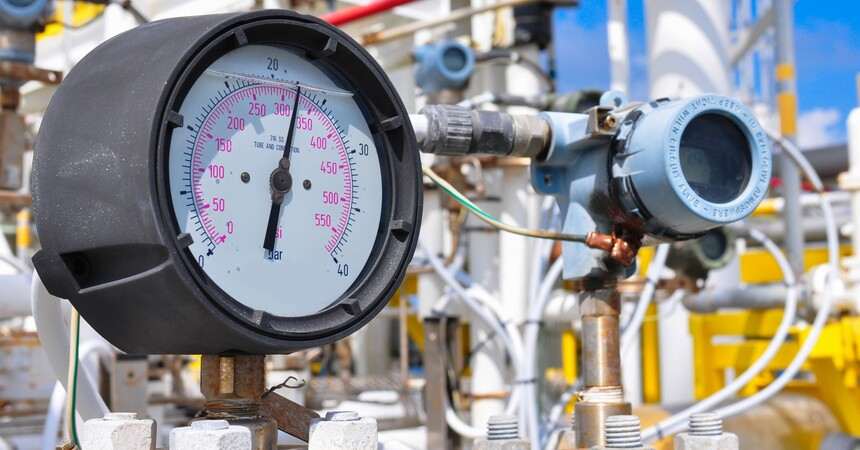
TR CU 032/2013 governs equipment operating under excess pressure across the EAEU. One number draws its boundary: internal pressure more than 0.05 MPa above atmospheric. Above that line a vessel, a boiler, a pipeline, a heat exchanger or a safety fitting is high-risk equipment whatever it is for, and it needs a conformity document before it can be commissioned. The regulation then sorts equipment into four categories from working pressure, capacity and the hazard group of the medium. Categories 1 and 2 take a declaration of conformity; categories 3 and 4 take a certificate. You may always trade up from a declaration to a certificate. The reverse is not allowed.
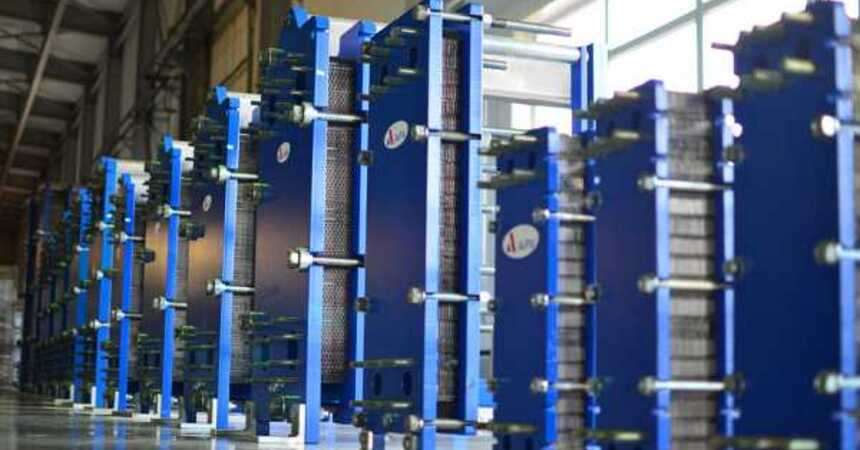
What makes this regulation slow is the paperwork it names outright. It requires a Justification of Safety, a strength calculation and a technical passport per serial number, and the strength calculation is accepted only when drawn up to GOST 34233.1-2017, GOST 14249-89 and their companion standards, in Russian. A PED dossier does not carry across, because PED asks the manufacturer to argue safety through harmonised standards while TR CU 032 prescribes the requirements, the test methods and the material criteria. The existing calculation cannot be translated into compliance; it is redone to the GOST standards. Heat exchangers add a second twist: the tube side and the shell side are assessed separately, and the heat exchanger also falls under TR CU 010.
The scope has a grey area. Main, in-field and local distribution pipelines for gas and oil are excluded, and so are their elements and fittings. Pipes used outside those systems are a different matter, and certification bodies do not agree on them. The articles below cover the categories, the vessel guide, the passport, the calculation and the PED comparison. Send us the design pressure, the volume and the medium and we will tell you the category and the form.
No articles match that.
Both regulate pressure equipment safety, but one puts risk analysis on the manufacturer and the other prescribes the requirements. What that means in practice.
Scope, materials, strength calculations, testing, marking and conformity assessment under the EAEU regulation for equipment operating above 0.05 MPa.
The 0.05 MPa threshold that makes equipment high-risk, the device types it captures, and why the purpose of the device has nothing to do with it.
The failure modes the pressure equipment regulation exists to prevent, and what it does for manufacturers, operators and regulators in practice.
The strength calculation is a named document in TR CU 032. Which GOST standards govern it, why a foreign calculation is not accepted, and the language rule.
Heat exchangers fall under TR CU 010 always, and under TR CU 032 sometimes. What each route requires, and why tube side and shell side are assessed separately.
Main and distribution pipelines are excluded from TR CU 032, and so are their parts. What that leaves, and why certification bodies disagree about pipes.
How TR CU 032/2013 sorts pressure vessels into categories 1 to 4, which category declares and which certifies, and the declaration and certification schemes.
What GOST 33855-2016 says a Justification of Safety must contain, when it has to be dated, and who writes it when the manufacturer will not.
The five sections of a Justification of Safety, the two technical regulations that require it, who writes it, and when one document covers a whole family.
What a technical passport contains, why CIS plants keep one per serial number, and the specific fields TR CU 032 adds for pipelines, boilers and vessels.
No. There is no mutual acceptance between PED 2014/68/EU and TR CU 032/2013. The file is rebuilt: a Justification of Safety, a strength calculation to the GOST standards, and a technical passport in Russian. What carries over is the engineering data behind them, so the rework is faster than a first design, but it is rework.
The category follows from three inputs the regulation tables: working pressure, capacity or nominal diameter, and whether the medium is group 1 (hazardous) or group 2. The result decides the document, the scheme and whether inspection control follows the certificate. We run the tables from your datasheet before quoting.
Send the product name, HS code and technical data. You get back the applicable route, the document list and a timeline, before any commitment.
Scoping is freeReply within one working day