TR CU 020: Electromagnetic Compatibility Explained
What falls inside the EMC regulation, which products certify and which declare, the three certification schemes, and the two exclusions worth knowing.

The EAEU EMC regulation reaches any device that can emit or suffer interference. Which products certify, which declare, and how the 1d and 3d schemes differ.
TR CU 020/2011 covers electromagnetic compatibility for the Union, and it reaches any technical device that can create interference or whose function depends on it. Household appliances and computer peripherals are on the certification list; everything else in scope declares. Almost every product it touches is also touched by TR CU 004 for low-voltage safety and TR EAEU 037 for restricted substances, so the practical question is rarely EMC alone. It is how many documents the product ends up with and whether one certificate can cover two regulations, which it can for 004 and 020 together.
For serial production two declaration schemes exist, and the choice is where foreign manufacturers overpay. Scheme 1d rests on the applicant’s own evidence; scheme 3d requires an accredited Union laboratory. Nothing in the text of either regulation says the 1d evidence must come from a Union lab, although common practice assumed so for years. A manufacturer holding EN 55014 or CISPR reports from an ISO/IEC 17025 lab has a case for 1d, and we make it. Certification on 1c, 3c and 4c is a different matter: the samples go to a Union lab, and 1c adds a production audit report to the test results.
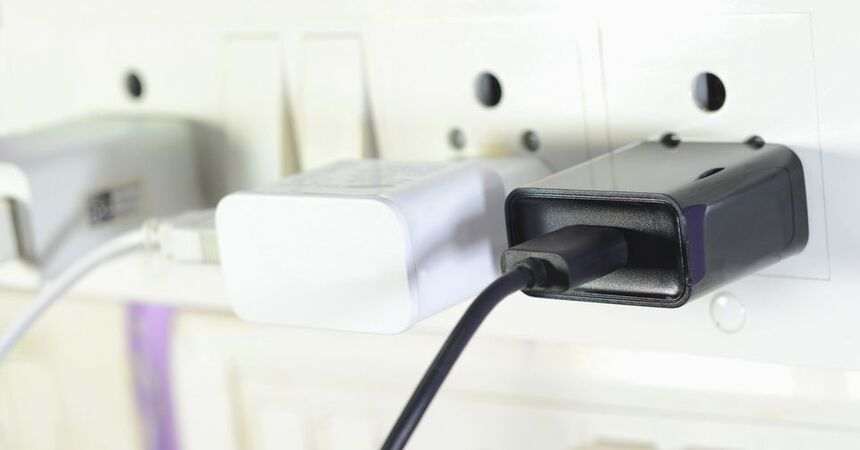
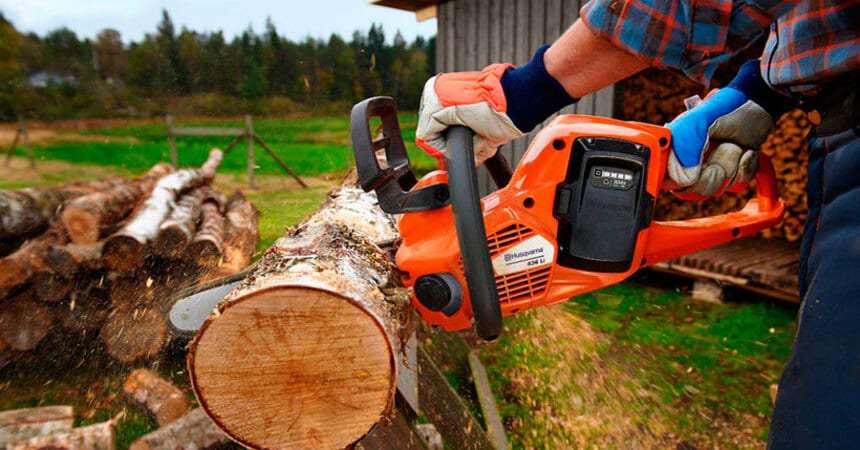
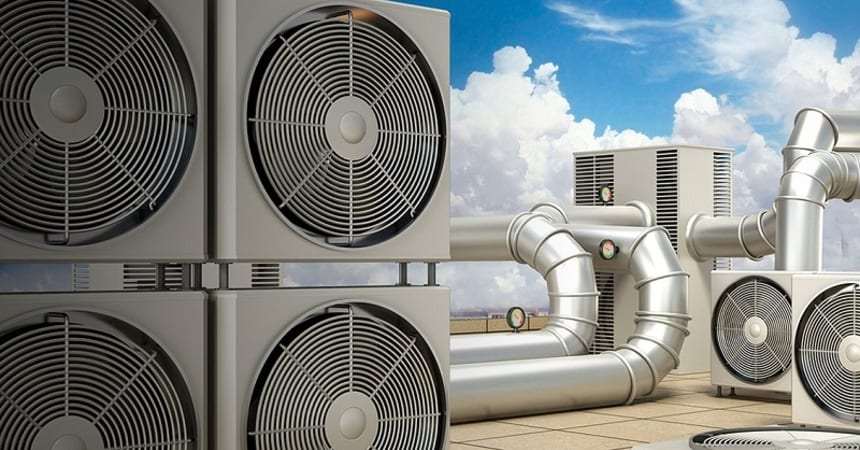
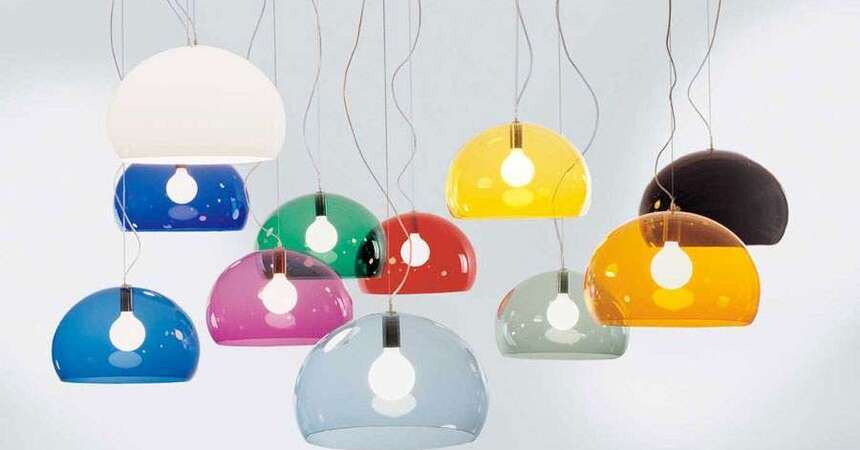
The articles below cover the scope and exclusions, the 1d and 3d decision, adapters and chargers, HVAC, personal computers, lighting and a chainsaw that fell under 020 but not 004. A synchronous industrial motor picks up 020 on top of 004; an induction motor does not. Send us the product and any EMC reports you already hold and we will say which scheme they support.
No articles match that.
What falls inside the EMC regulation, which products certify and which declare, the three certification schemes, and the two exclusions worth knowing.
The four documents a PC may need for the Union, TR CU 004 and 020, RoHS, telecom and the encryption notification, plus how the 1c, 3c and 4c schemes differ.
Hazardous or not, low voltage or high, synchronous or induction, three questions that decide whether a motor needs TR CU 012, 004, 020, or nothing at all.
One certificate covers TR CU 004 and 020; RoHS goes on a separate declaration. The four steps, the annual inspection, and why RoHS testing takes a month.
Why a petrol chainsaw falls under TR CU 010 and TR CU 020 but not TR CU 004, and why splitting the approval into two documents saved a round of testing.
Household HVAC needs certificates under TR CU 004 and 020 plus a RoHS declaration. Industrial HVAC needs none of that, it declares under 004, 020 and 010.
Three technical regulations apply to lighting, certification runs on schemes 1c, 3c or 4c, and the test standards differ by fixture type.
The mandatory contents of an operating manual under each regulation, the language rule, and when an electronic-only manual is permitted.
Scheme 1d rests on your own evidence, 3d on an accredited Customs Union lab. And the belief that foreign reports are barred is not in the text.
Under scheme 1d, often yes. The regulation asks for evidence, and it does not say the evidence has to come from a Union laboratory. The reports must match the current product and cover the standards the Union applies, which for most categories are GOST versions of the same IEC and CISPR documents. Under 3d and under any certification scheme, testing moves to an accredited Union lab.
Yes. A single certificate or a single declaration can cover both regulations, and for adapters, HVAC and most appliances that is how we file it. TR EAEU 037 for restricted substances goes on a separate declaration, which can rest on existing manufacturer reports.
Send the product name, HS code and technical data. You get back the applicable route, the document list and a timeline, before any commitment.
Scoping is freeReply within one working day